01603 720402 Email
Search Translate
Salhouse C of E Primary School

Respect, Responsibility, Courage, Trust, Perseverance and Compassion.

Neatishead, Salhouse and Fleggburgh Federation

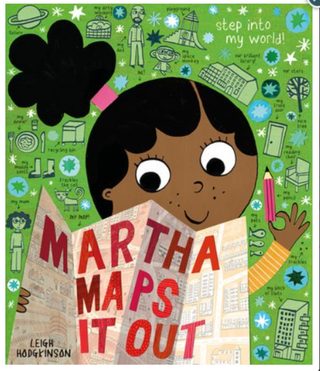
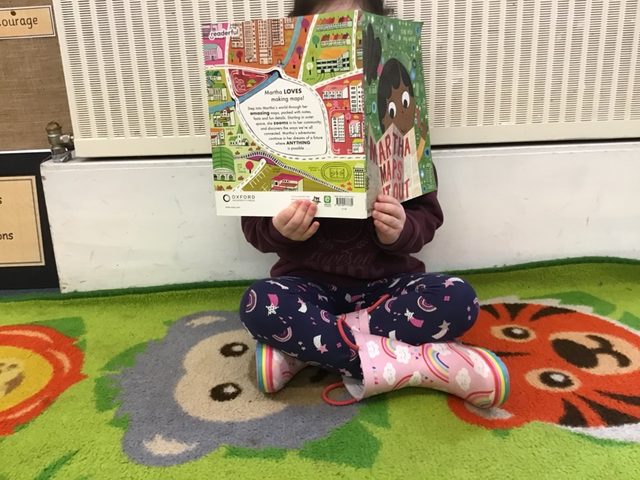
Martha Maps It Out

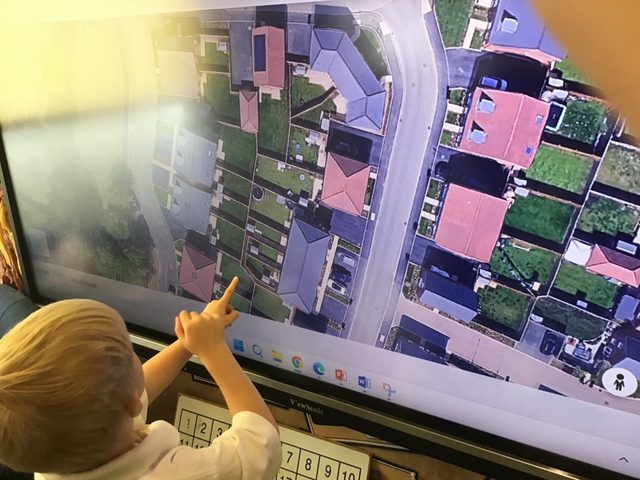
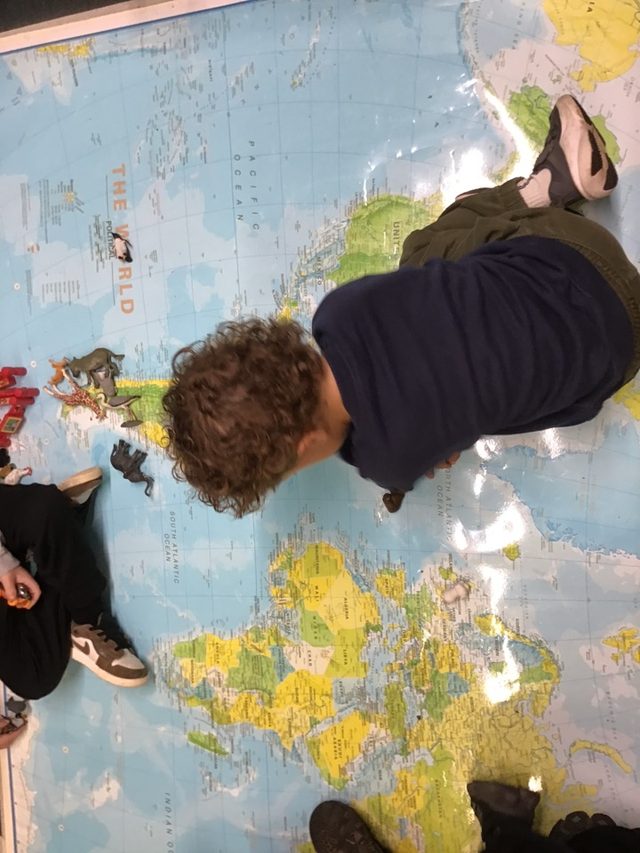
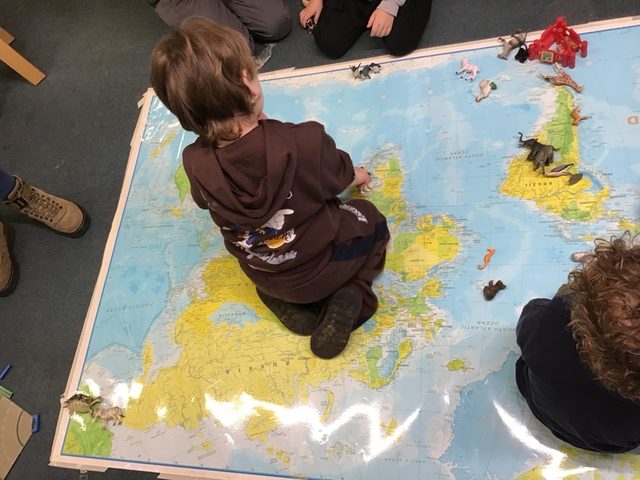
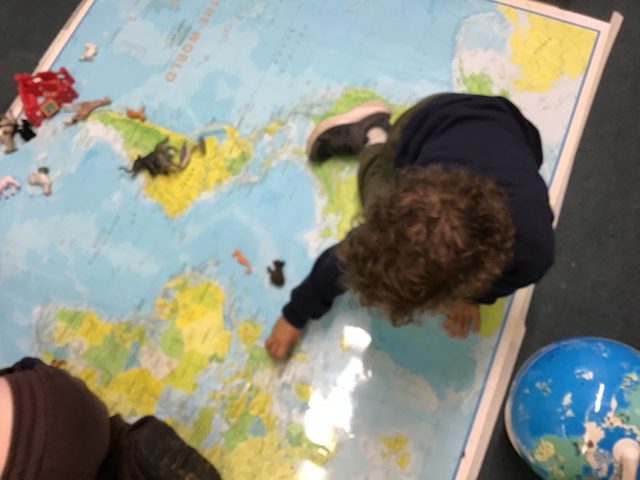
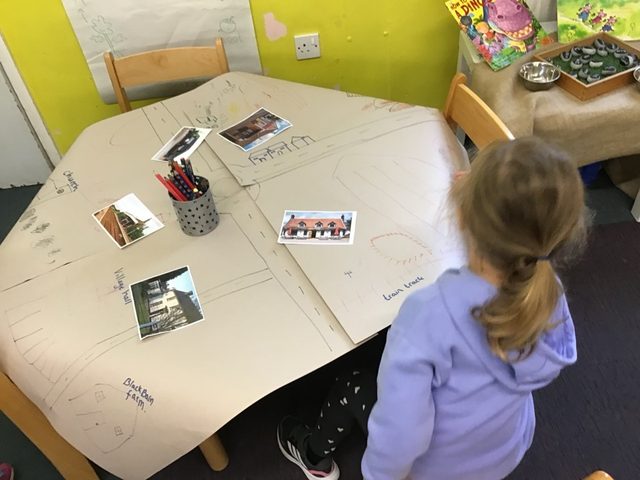
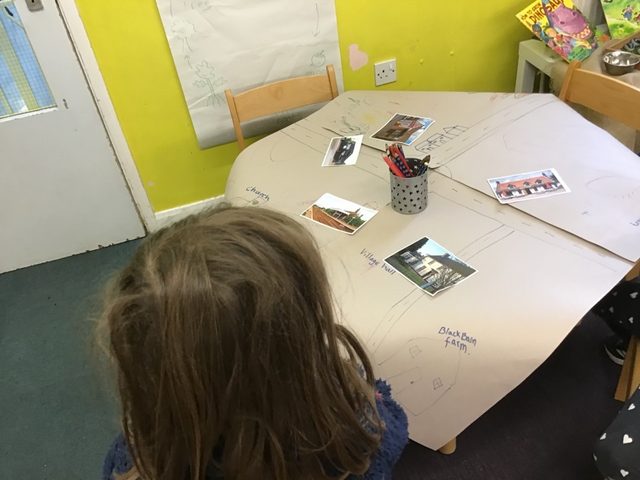
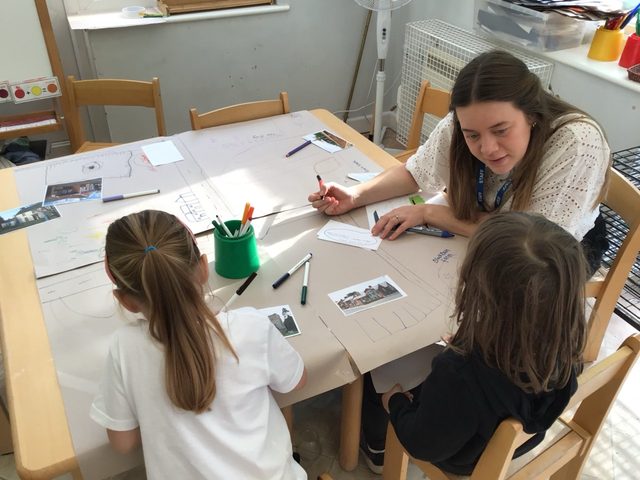
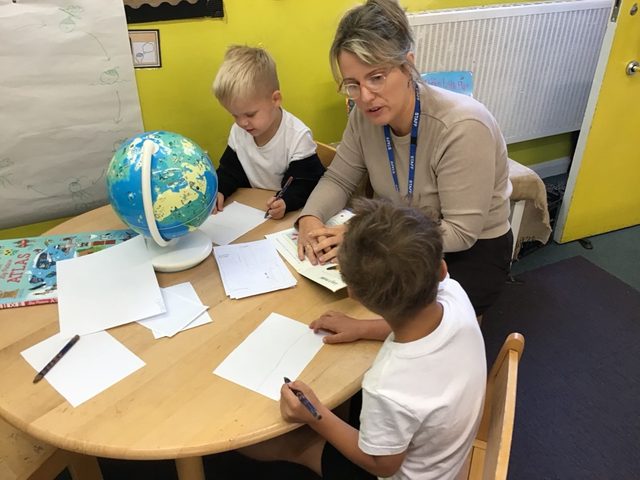
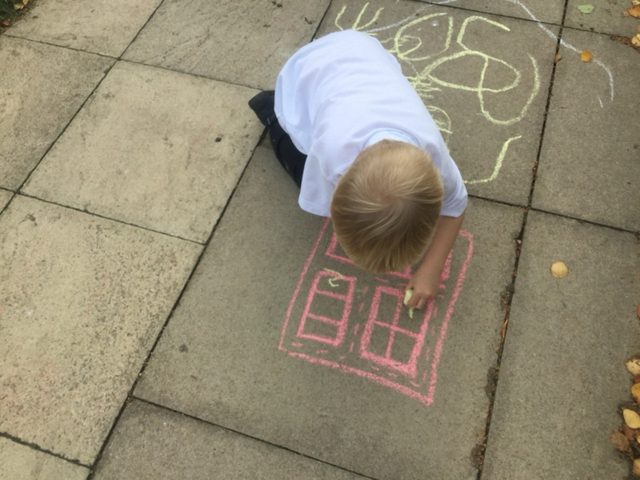
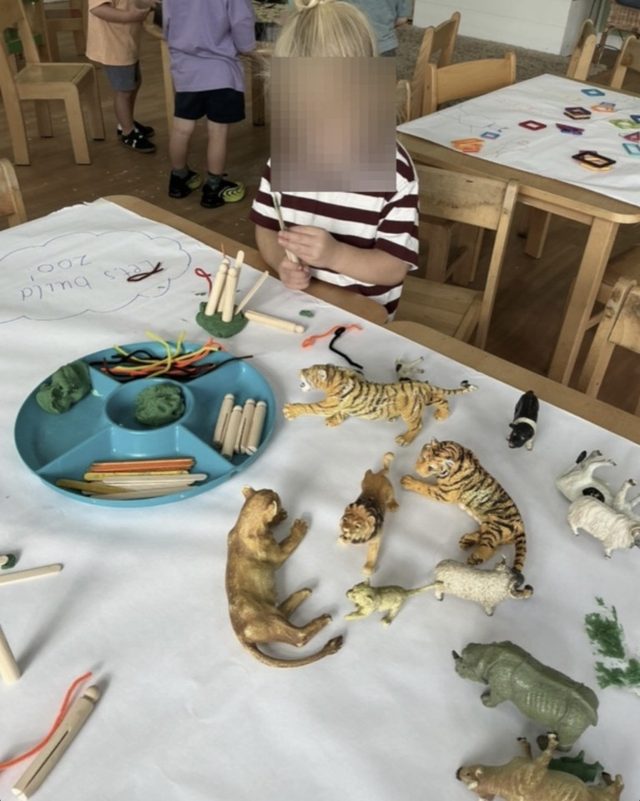
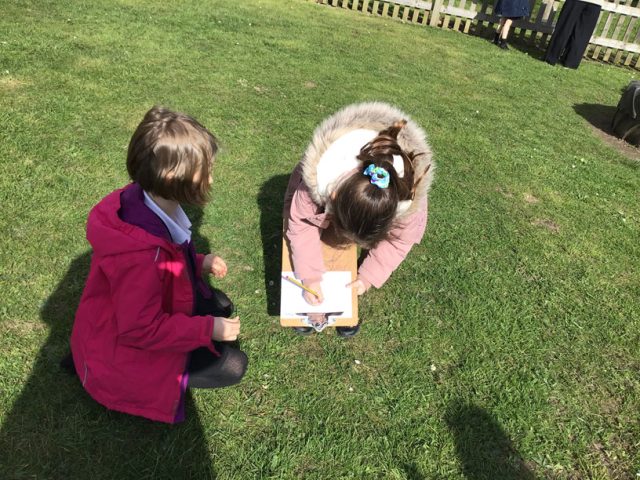
This week in Coots, we have been exploring our local area and the wider world! We have enjoyed looking at maps in atlases, using our class globe and exploring different places on Google Earth. Inspired by the story Martha Maps It Out, we have been talking about the places around us and using our own observations to describe what we can see. We have compared busy cities with quieter, rural villages such as Salhouse, noticing what makes them different. We have also explored world maps, discovering hot and cold places and talking about where different animals live. Through stories, discussions and hands-on exploration, we are beginning to develop our understanding of the world around us and the different places, people and animals that make it special!

Ready, Respectful, Safe

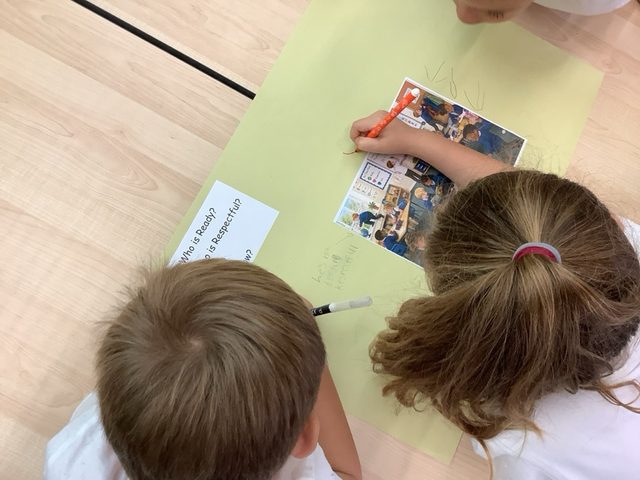
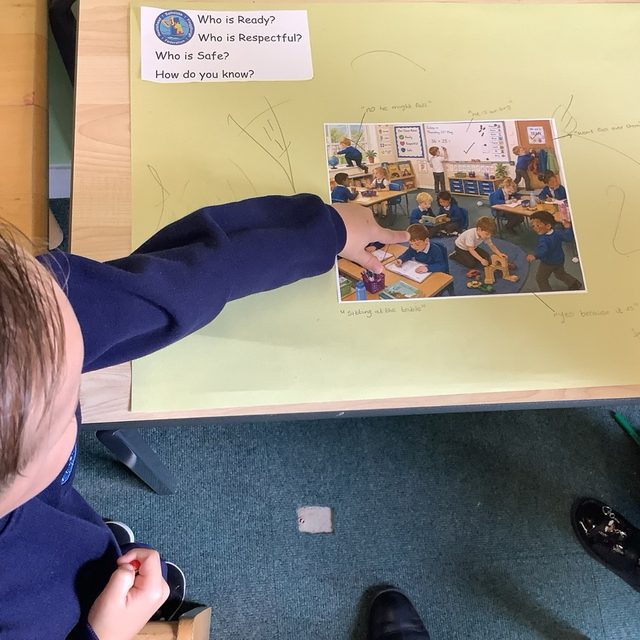
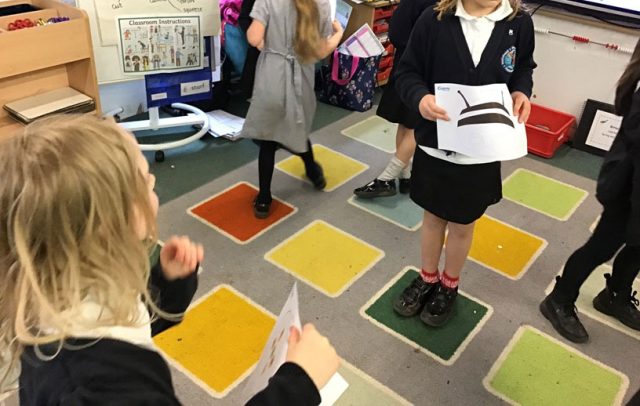
Bitterns have been learning about what our three school rules – Ready, Respectful and Safe – look like in practice. We discussed a picture of a busy classroom. How do we know if people are being ready, respectful or safe? 

Some comments from the children:

“That boy is climbing so he could hurt himself. That’s not safe.”

“It looks like they’re disagreeing with each other but not arguing. So they are being respectful to each other.”

“That boy is writing on the board – he shouldn’t do that!”

“But it looks like he is doing some Maths so he probably is allowed so I think he is being respectful.”

“The girl and boy sitting up straight and looking at the teacher are ready.”

“If you scrunch up paper then you’re just wasting it. Then there might not be any paper and we won’t be ready!”

Bitterns Maths

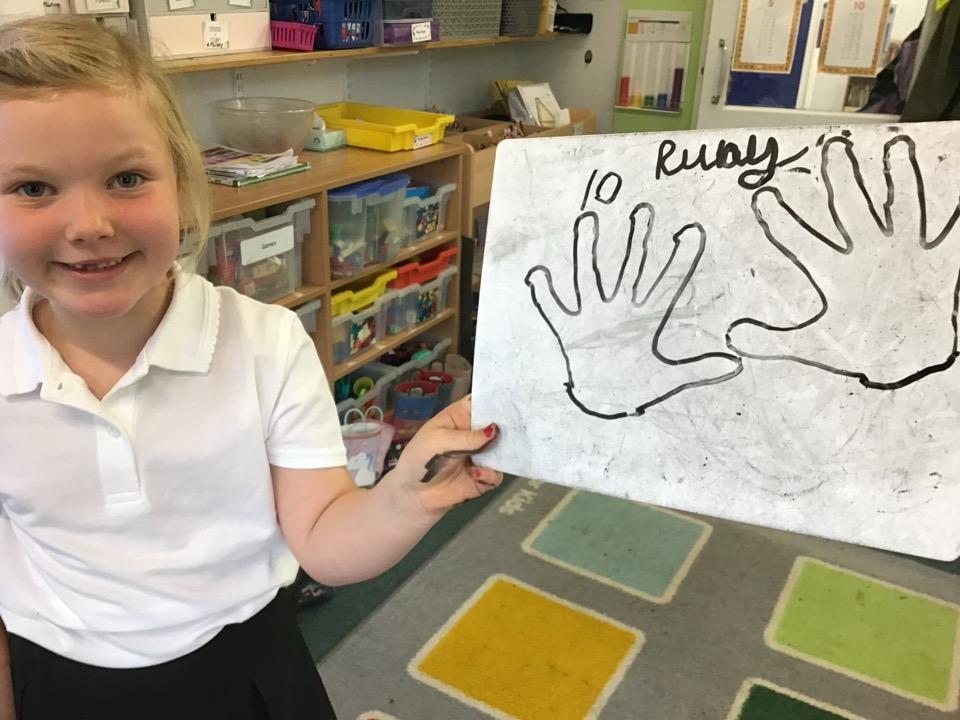
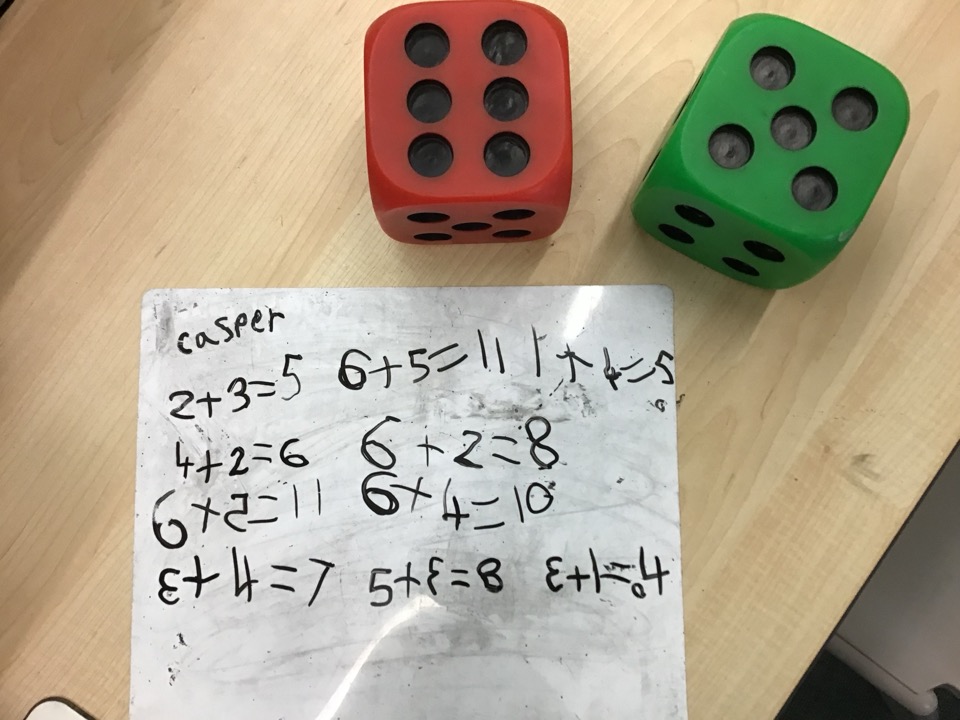
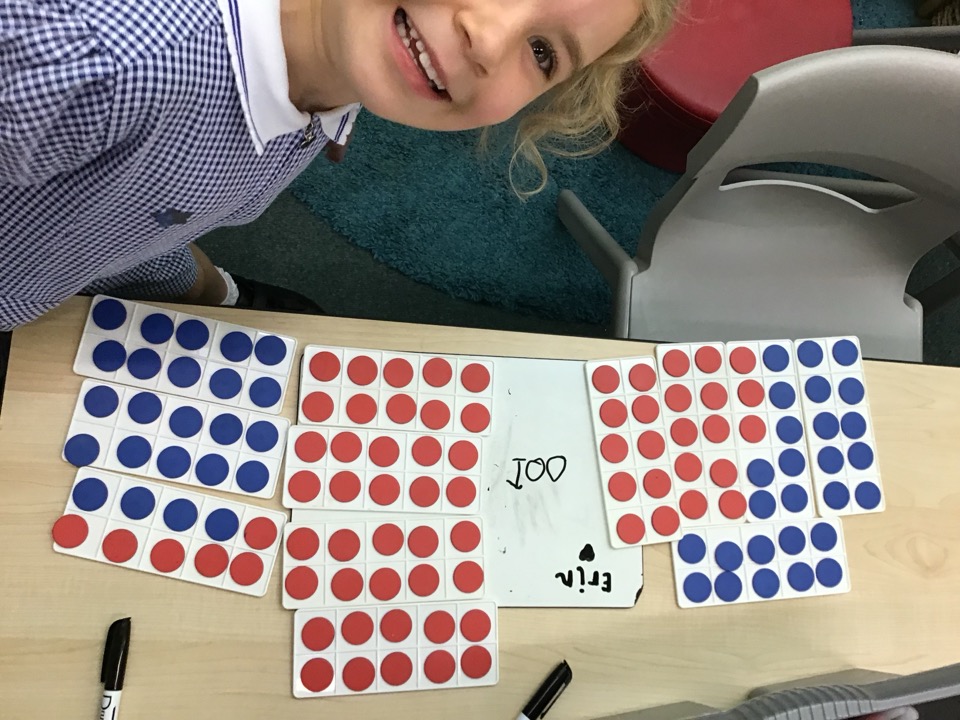
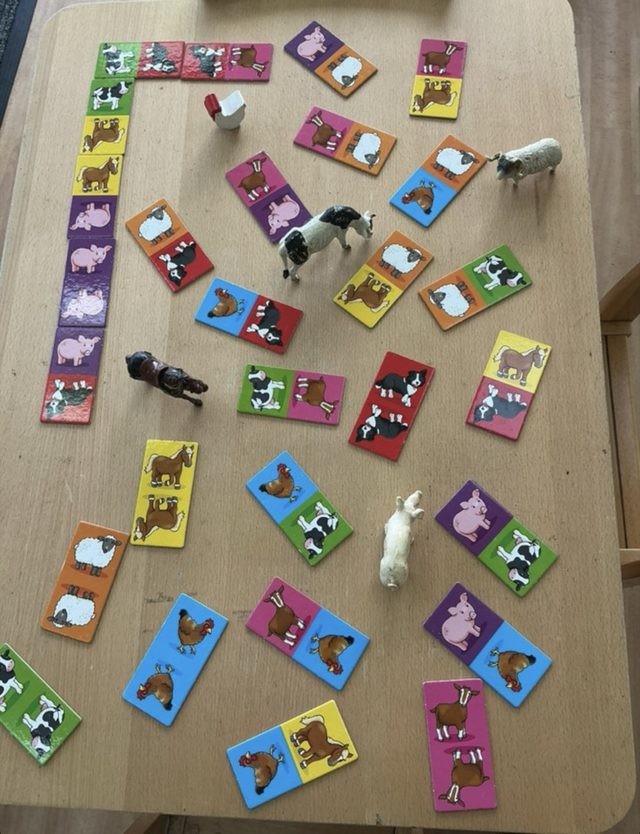
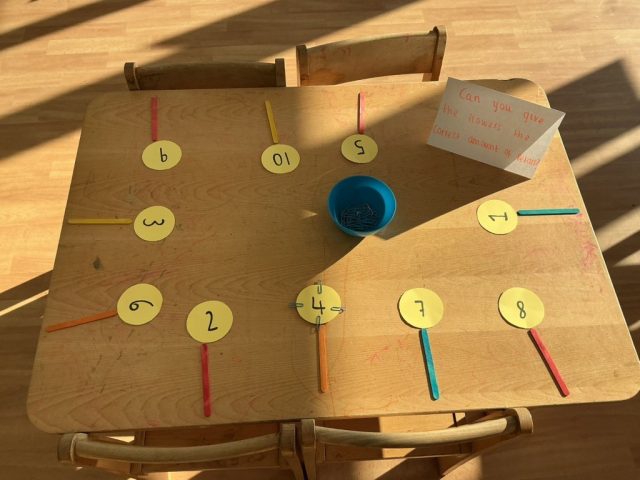
In Maths, Bitterns have been focusing on number bonds to 10 and representing 10 in different ways – e.g. using fingers, Numicon, cubes, dominoes, number sentences.

Beginning of Autumn Term 2026

This half term, our focus will be ‘All About Me’, before moving on to explore Harvest and the changes we see during Autumn towards the end of the term.

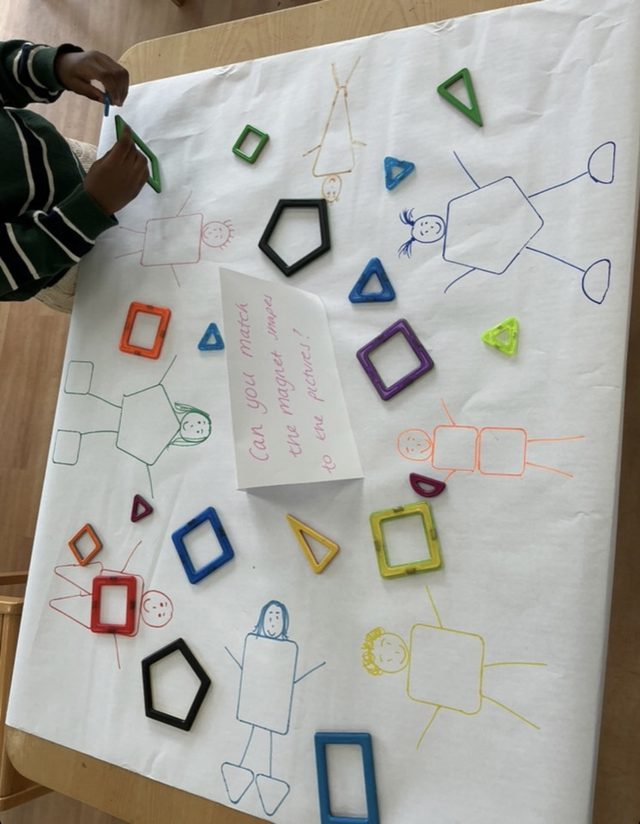
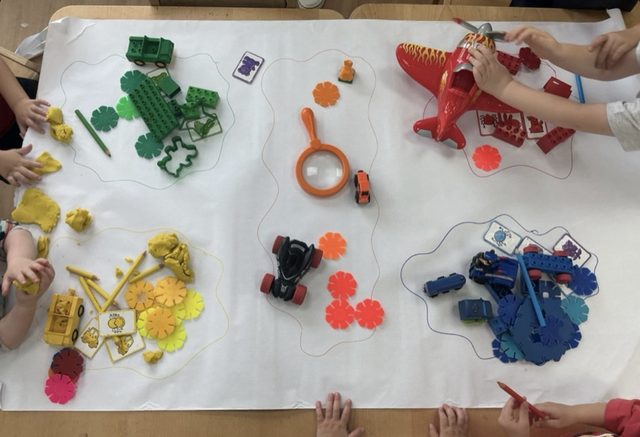
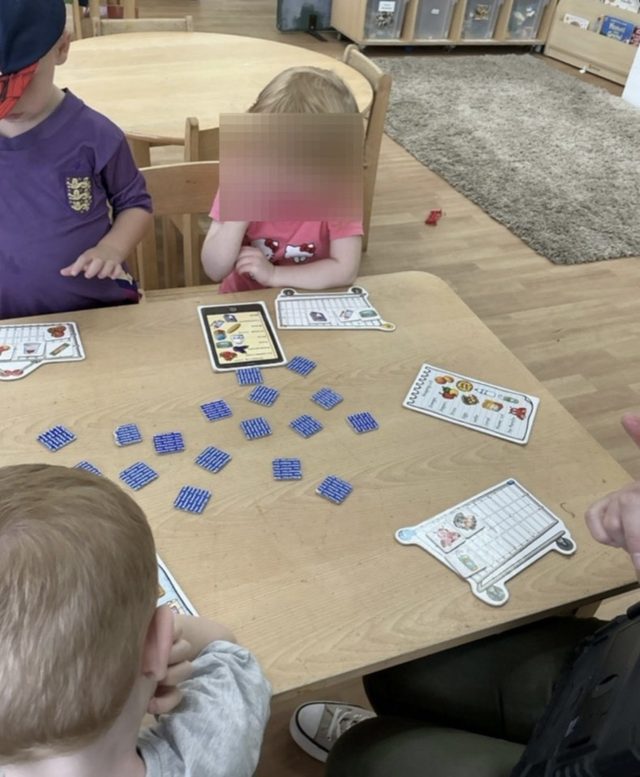
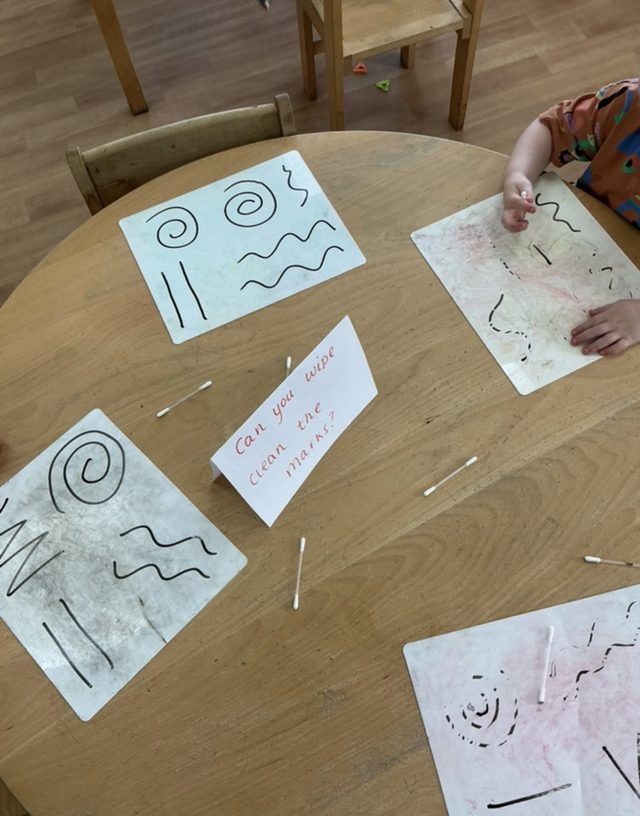
Over the past few weeks, we have been busy getting to know the children, learning about their individual interests and helping them settle into our setting. During this time, we have enjoyed lots of opportunities to explore our continuous provision, with construction activities, messy play and playdough proving particularly popular. We have also been enjoying playing turn taking board games with our friends. These have been a wonderful way for the children to develop their friendships, practise sharing and taking turns, and build confidence when playing alongside others.

As we move further into the half term, we will begin exploring our ‘All About Me’ topic in more depth. We will be learning aboutourselves, our bodies, our emotions and our families, giving the children plenty of opportunities to talk, explore, create and share their own experiences.

We are looking forward to a fun-filled half term of learning, discovering and getting to know one another even more!

Fledglings Spring 2026

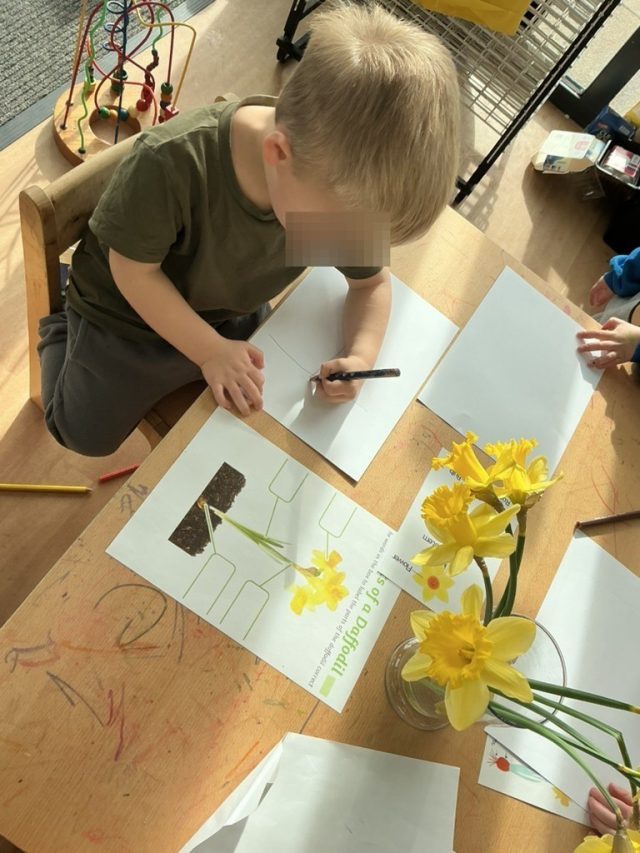
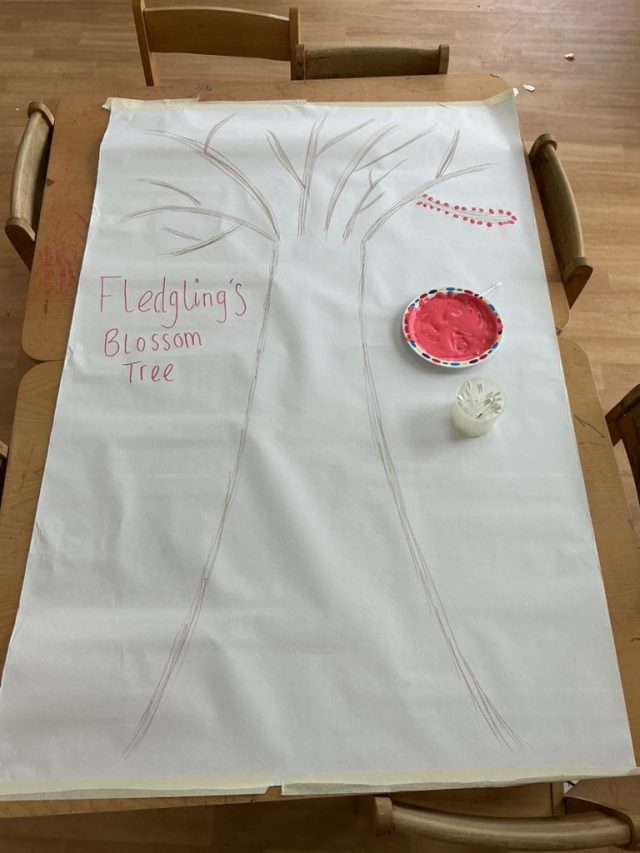
The children have been exploring the signs of early Spring, noticing the changes in the weather and new life beginning to grow. We enjoyed observing real flowers closely, and showed great interest in daffodils, learning to recognise them by their bright yellow petals. Through discussion and hands on activities, the children discovered the different parts of a flower, including the petals, stems, leaves and roots. This learning supported their curiosity about the natural world and encouraged them to use new vocabulary to describe what they see.

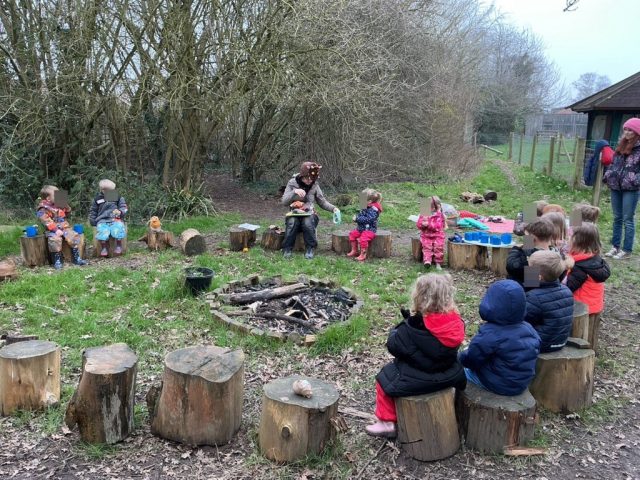
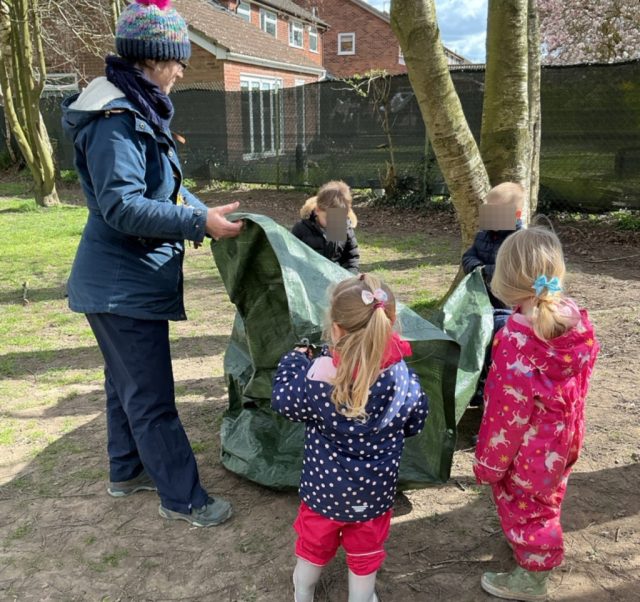
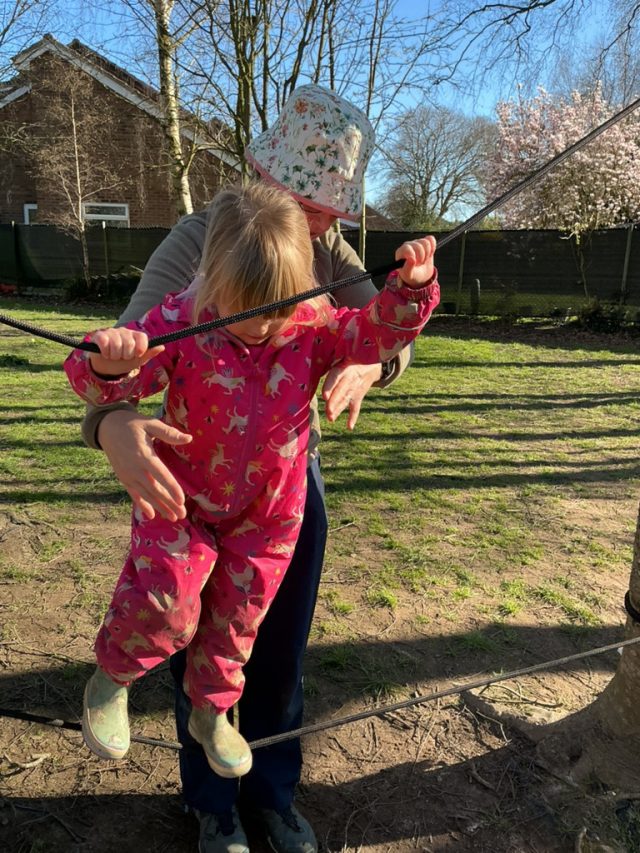
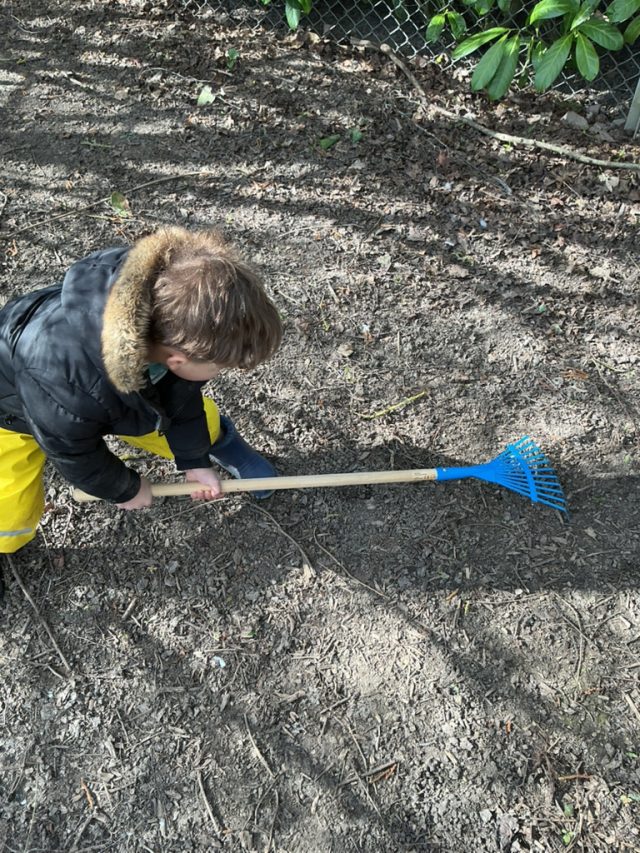
The risers have been enjoying their weekly Forest School sessions with Mrs Truman-Greive, developing their confidence and curiosity in the natural environment. The children have been learning how to stay safe in the forest, including how to explore carefully and respect their surroundings. The children enjoyed searching for insects under logs, discovering a variety of minibeasts and talking about where they live. 

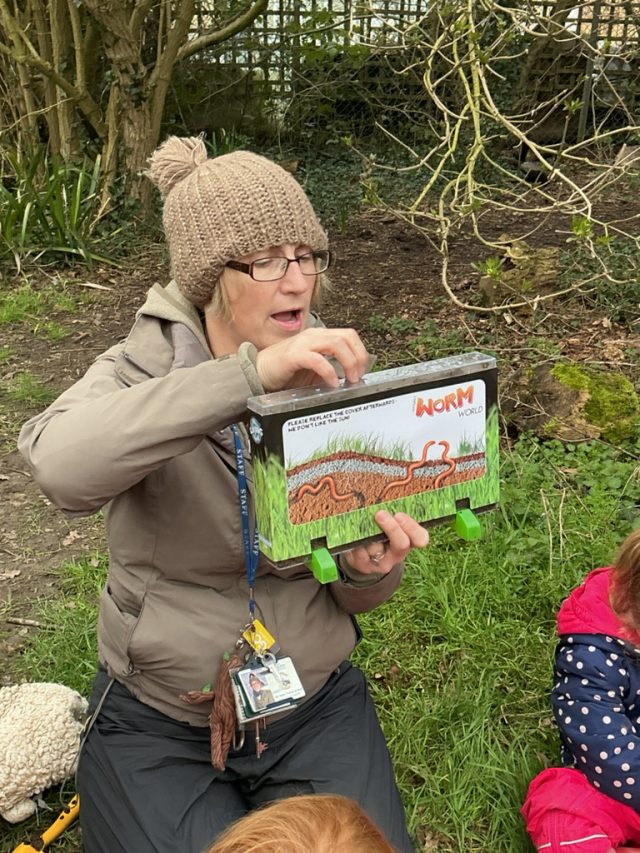
The children were also introduced to the idea of food chains, beginning to understand how different animals and insects depend on each other for survival. The children also built their own wormery, learning how to care for them and why they are important for the soil. We also made our very own worm sock puppets and our own musical instruments. The children’s favourite moment was toasting marshmallows around the fire to make smores!

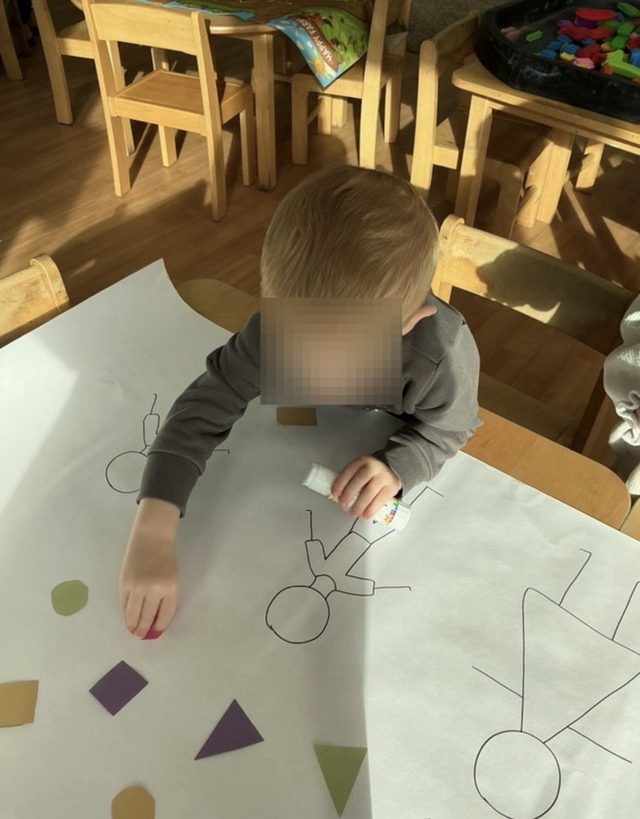
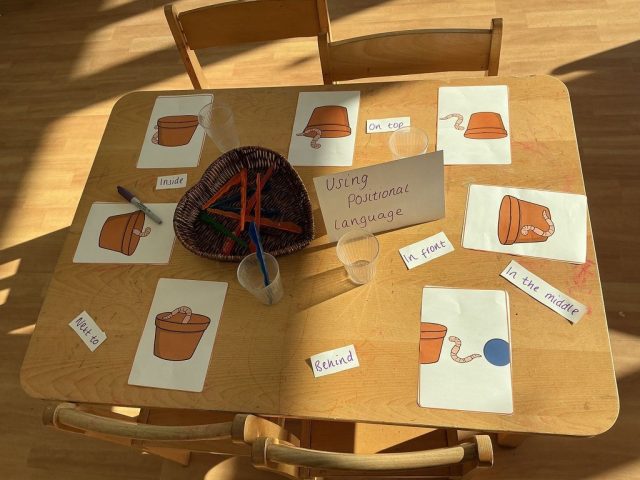
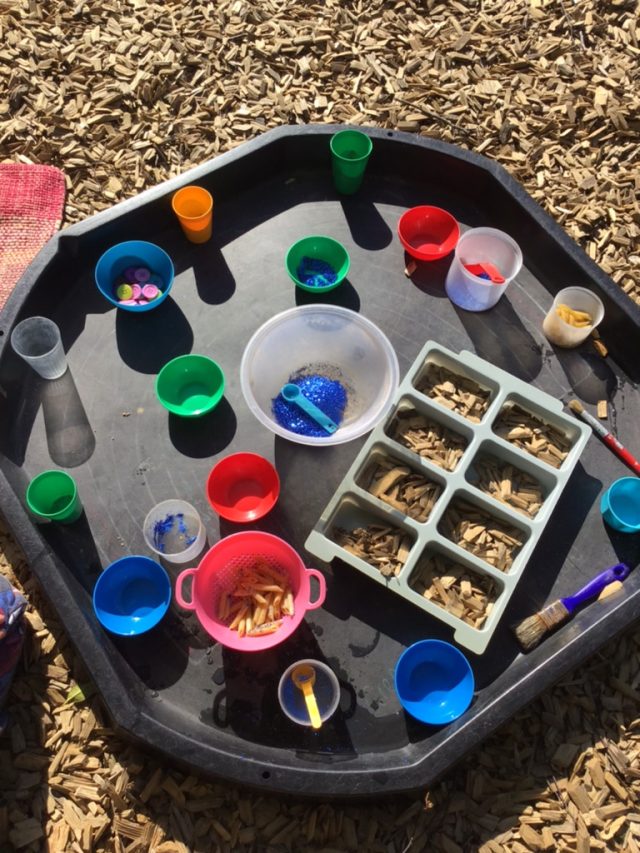
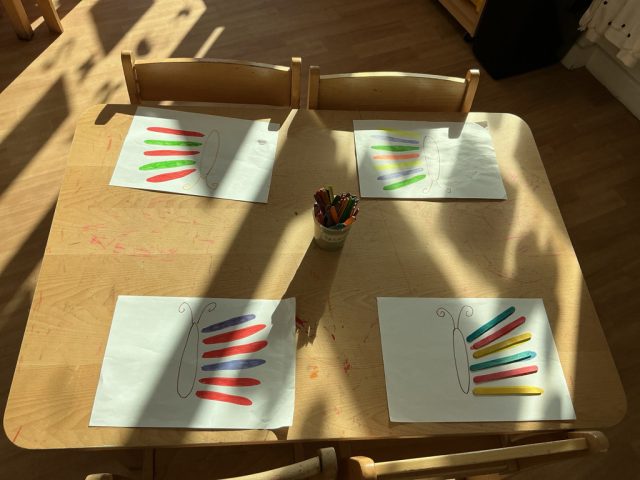
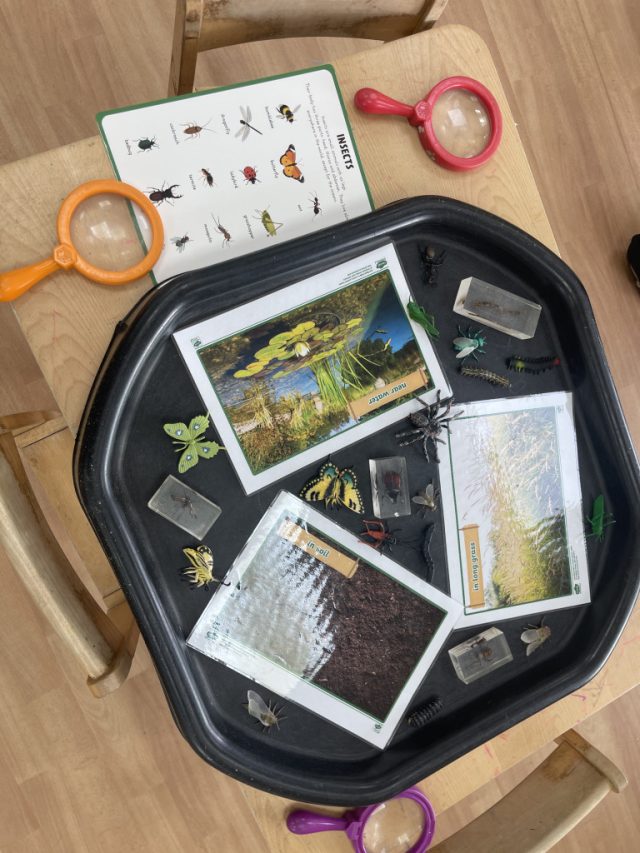
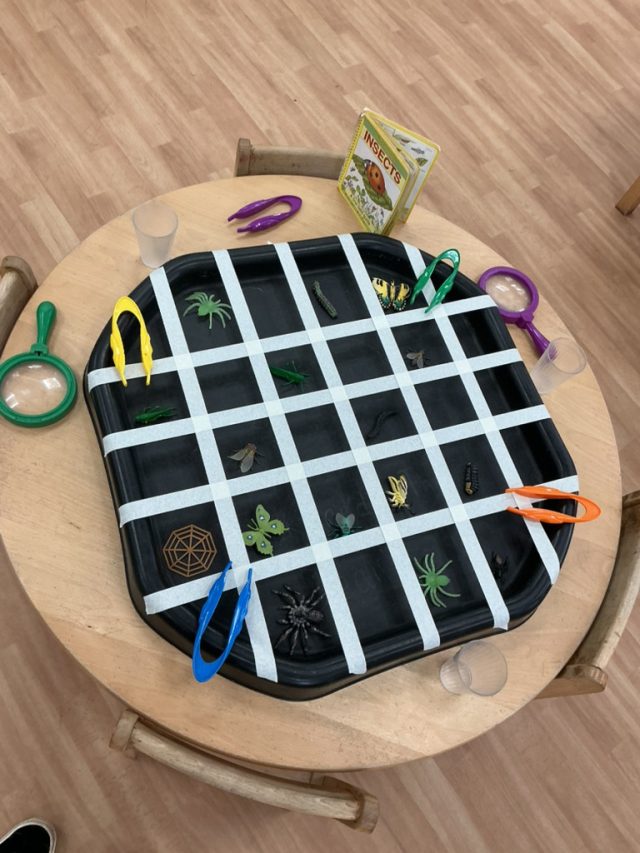
Further extending what the children learnt in forest school, we have also been learning all about minibeasts and life cycles! They learned about where minibeasts live and discussed their different characteristics. The children enjoyed using toy minibeasts in playdough, categorising and sorting them, drawing with stencils, and taking part in sensory play with spaghetti. They also developed their maths and fine motor skills through counting, matching, and other fine motor activities linked to the minibeast theme. We have also learnt all about the different life cycles of a butterfly and a frog, creating our own version of the cycles using our cutting and gluing skills.

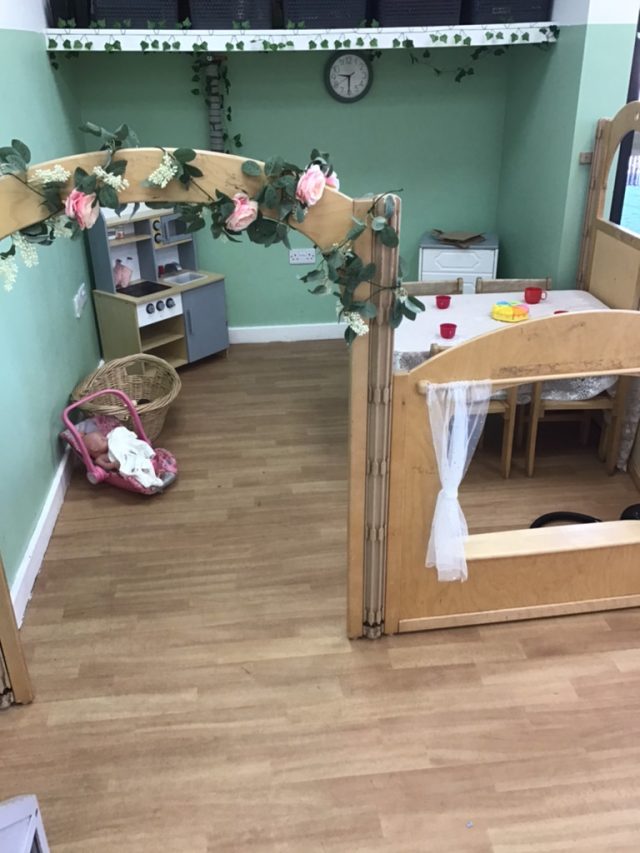
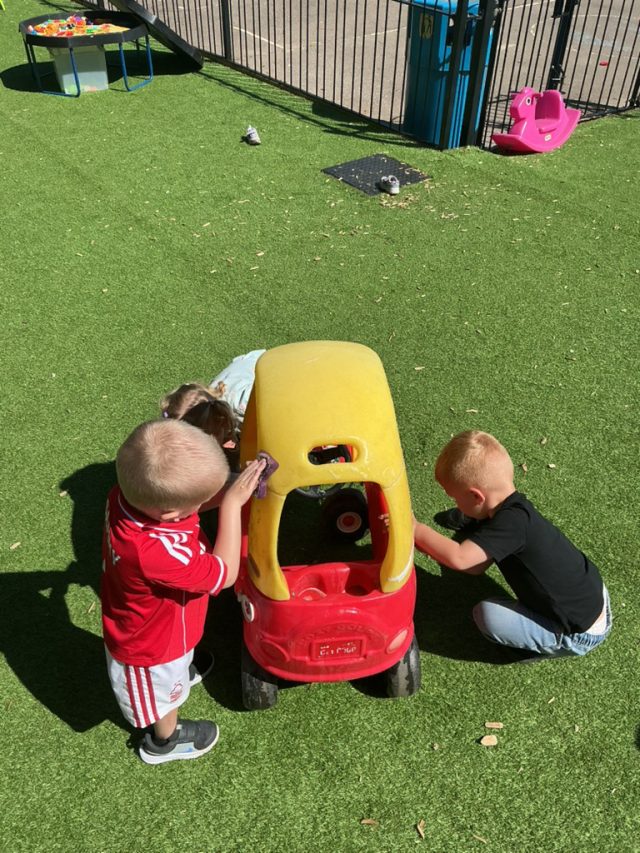
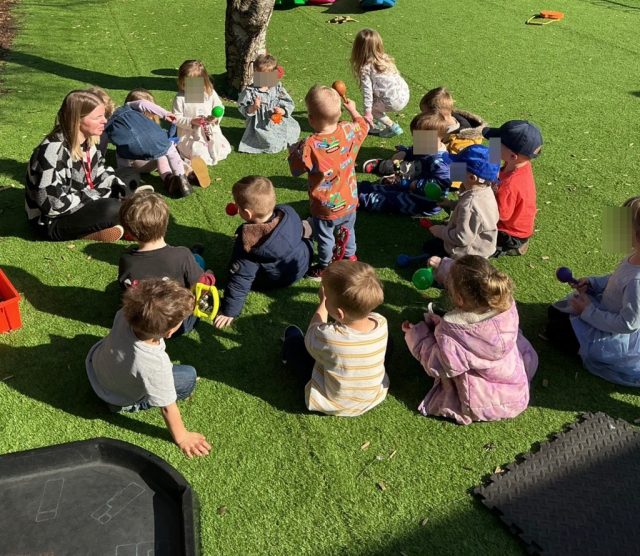
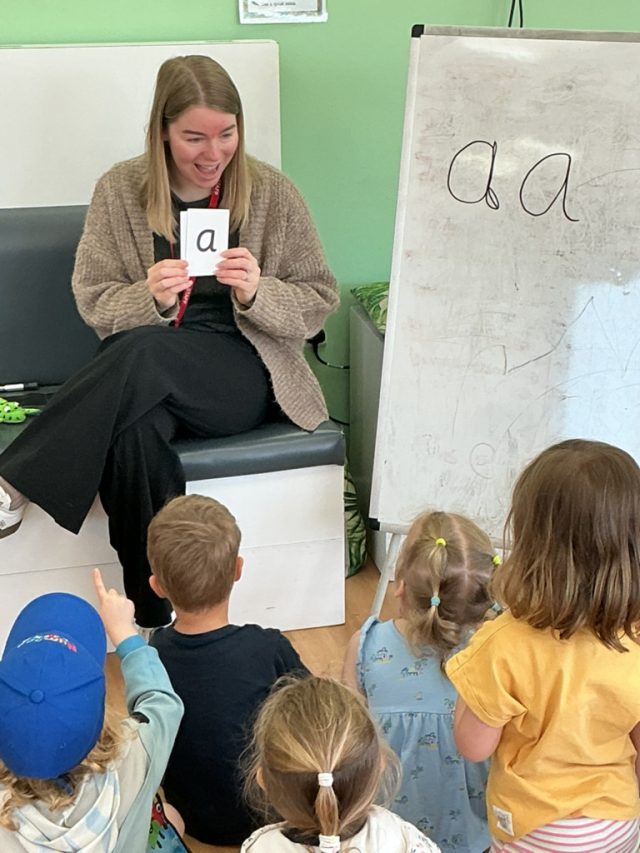
Alongside our planned topics, we have done lots of activities based on the children’s interests. We have enjoyed music sessions in the garden, making the most of the Spring sunshine, as well as doing car washes, enjoying time in our role play cafe and enjoying phonics and story time in our much loved reading area.

Learning about Shabbat

This half term we have been learning about Shabbat and why it is a special time for Jewish families. We began by recalling the Creation story and how God rested on the seventh day, which is why Shabbat is a day of rest. We learned that Shabbat begins on Friday evening at sunset and ends on Saturday evening.
We explored how families prepare for Shabbat by cleaning their homes and cooking in advance. During Shabbat, families wear special clothes, share a meal together, and spend time relaxing, talking, and singing without doing any work.

We also learned about important Shabbat artifacts including candles to bring peace, a Kiddush cup for blessings, challah bread, and the Havdalah candle used at the end of Shabbat.

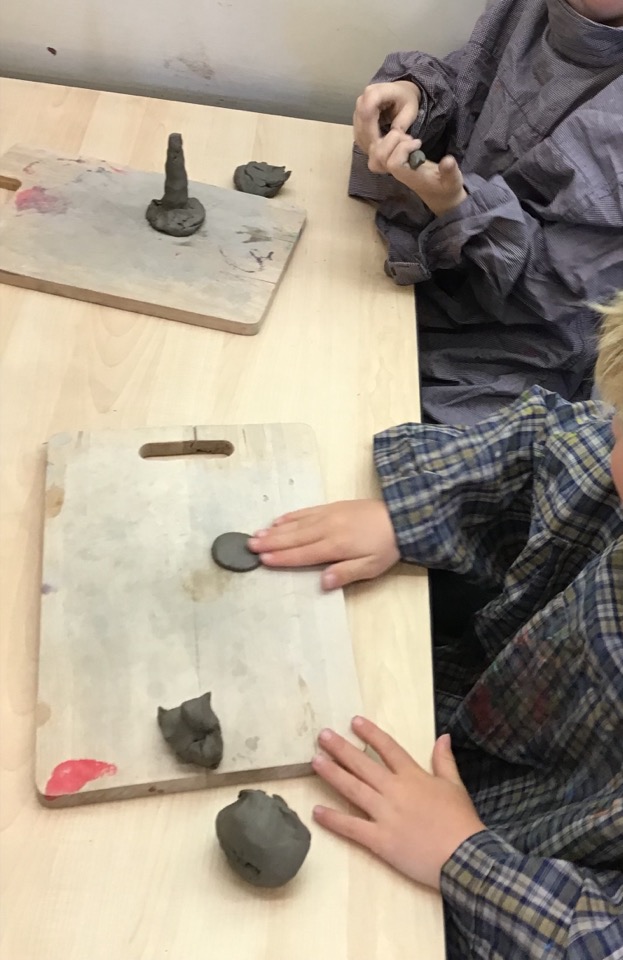
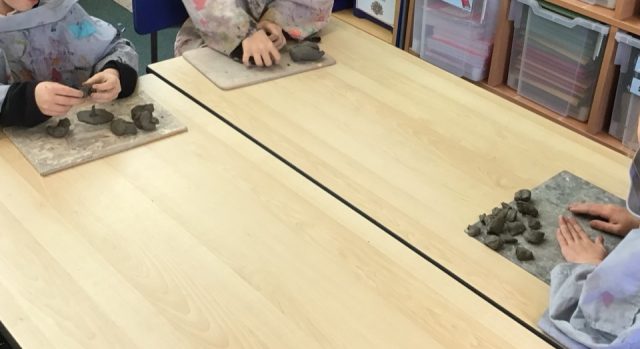
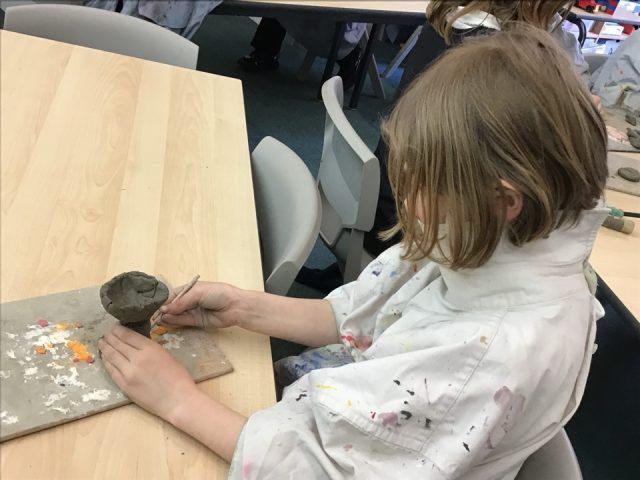
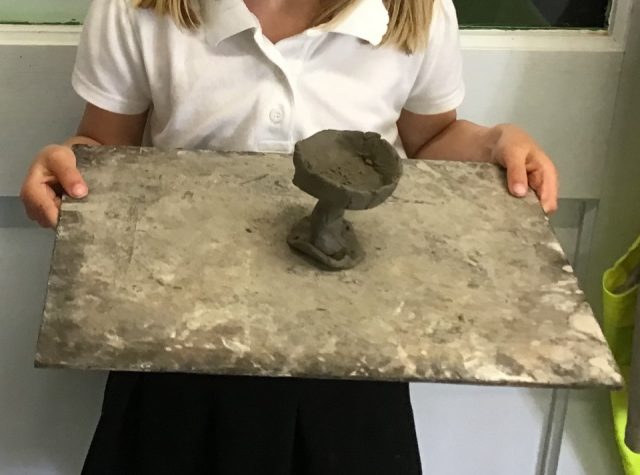
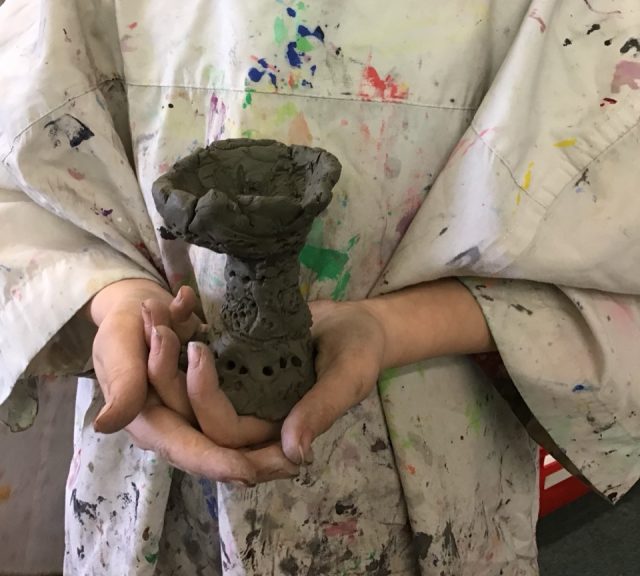
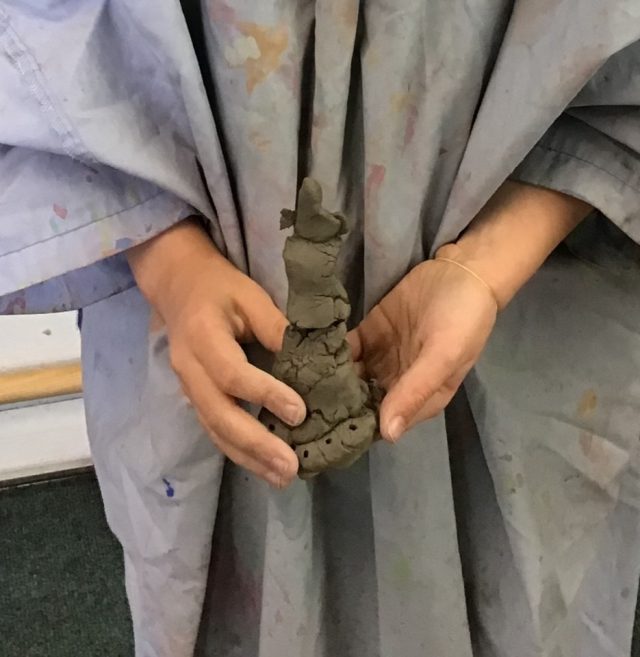
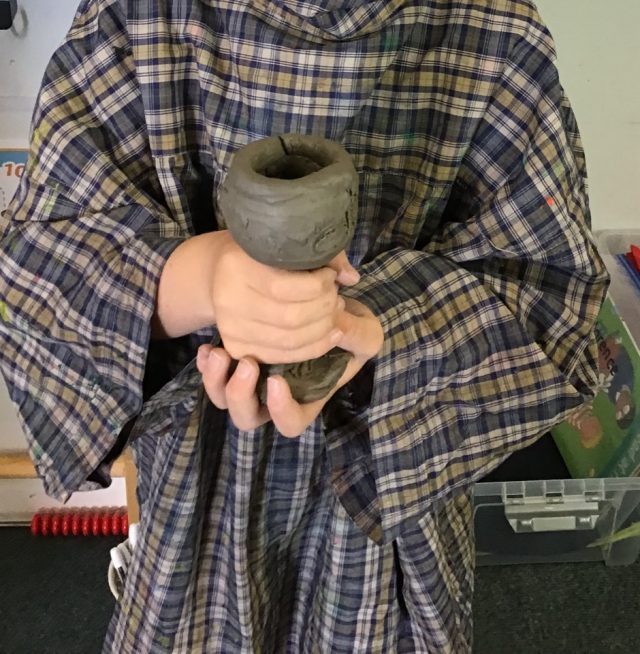
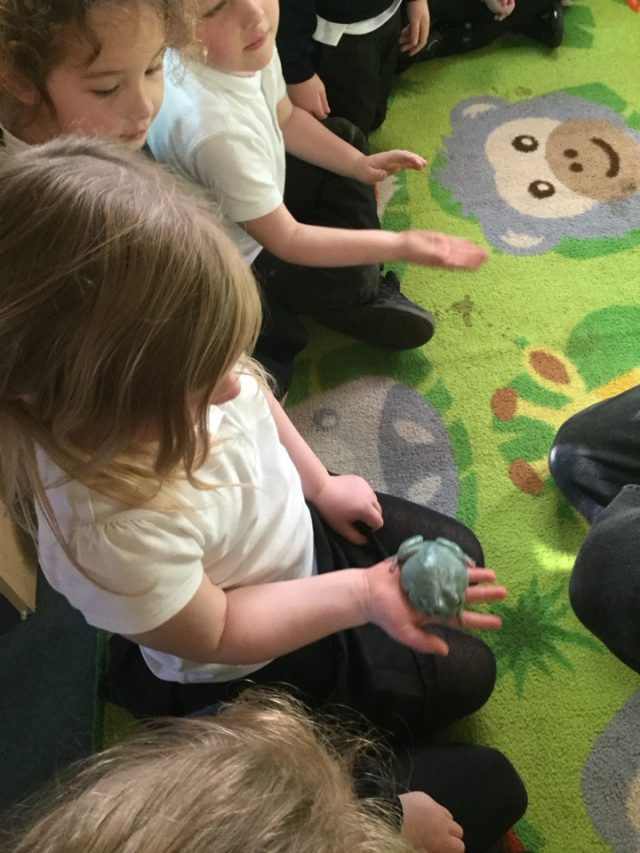
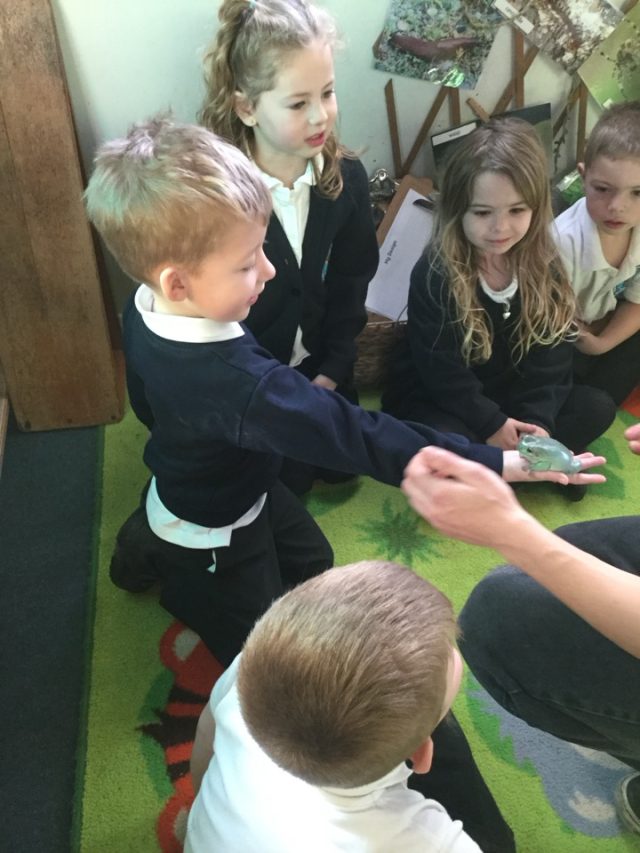
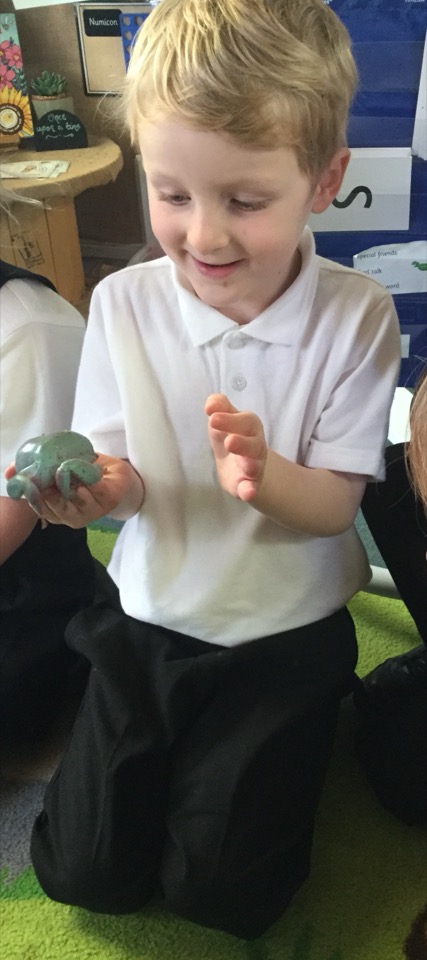
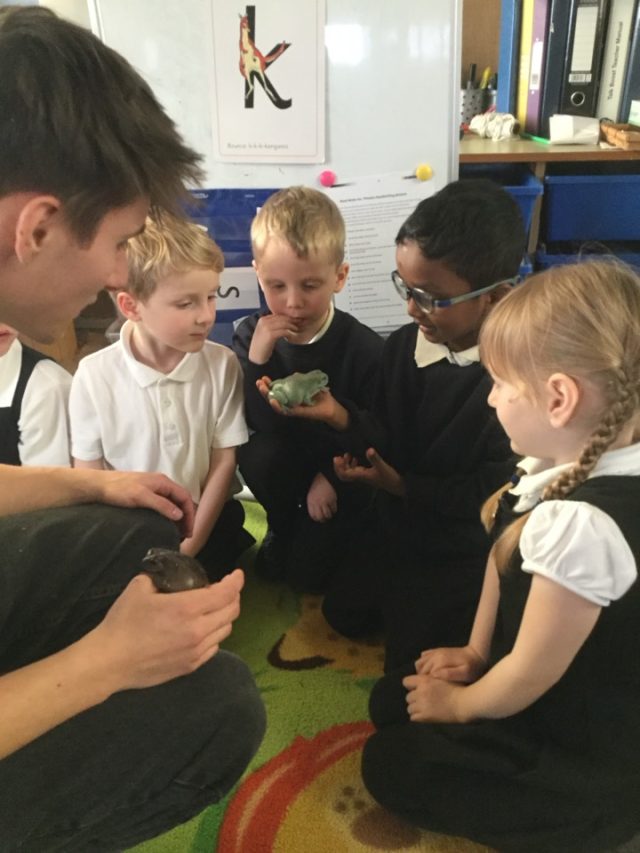
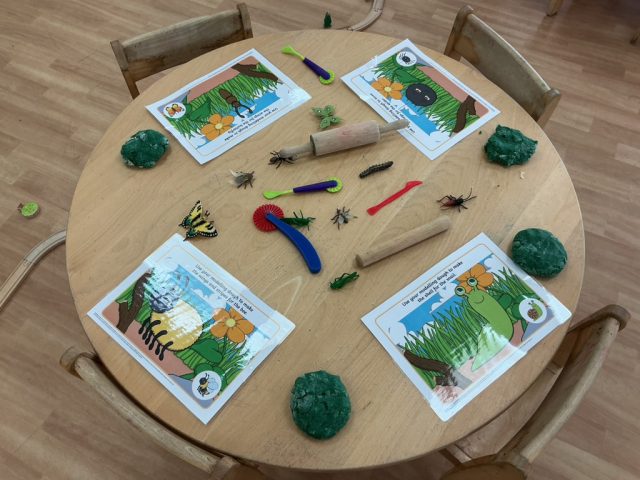
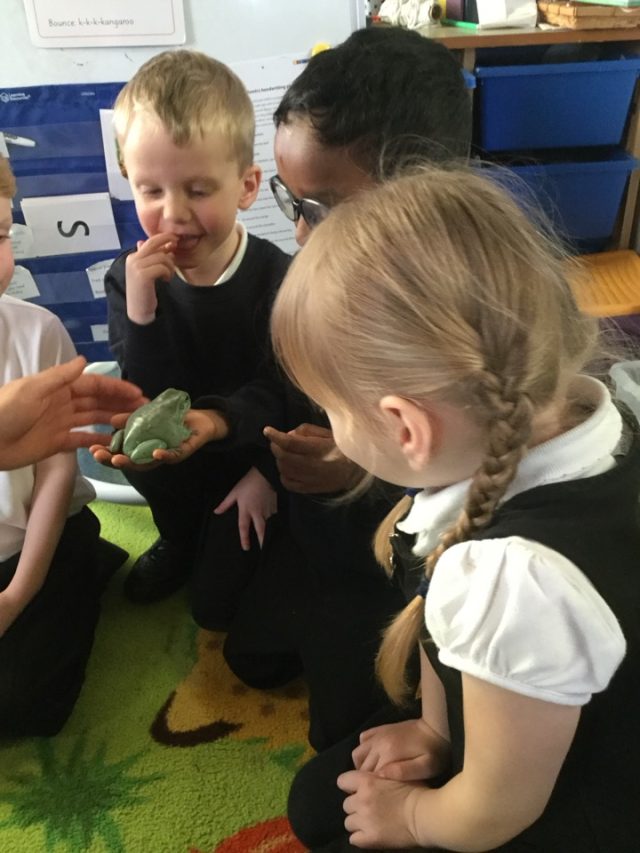
To finish, we created our own Shabbat artifacts using clay, including challah bread, cups, and candles. It was a fun and creative way to learn about this joyful and meaningful tradition.

Maths Bitterns

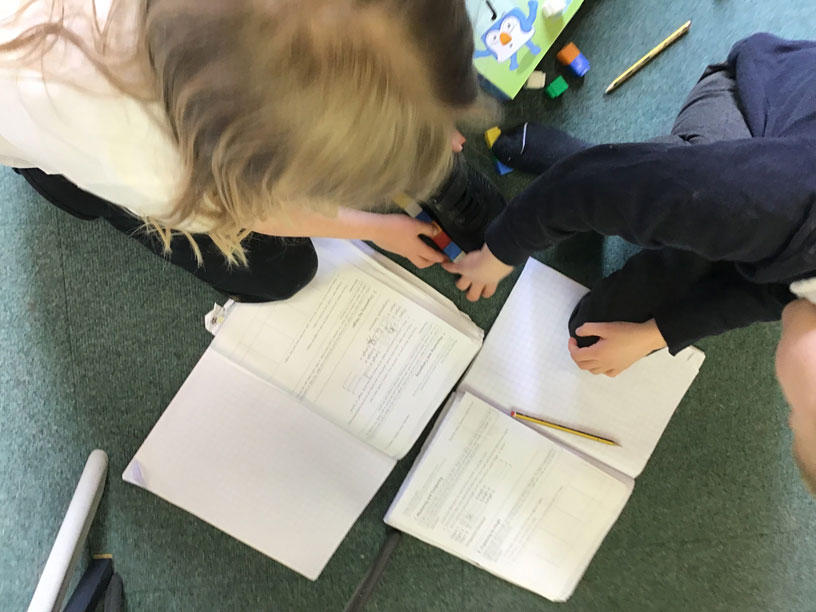
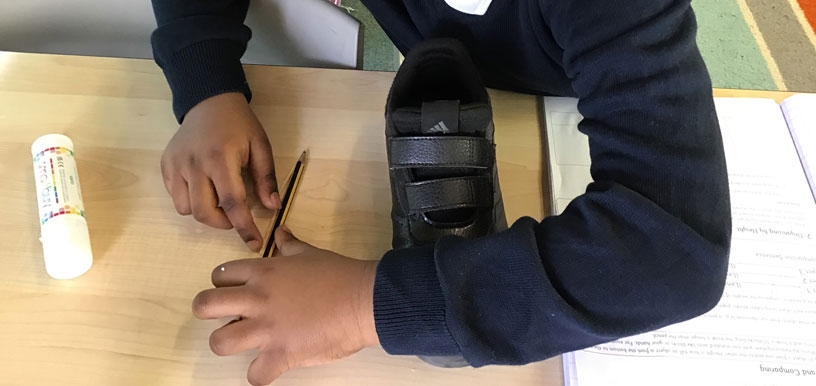
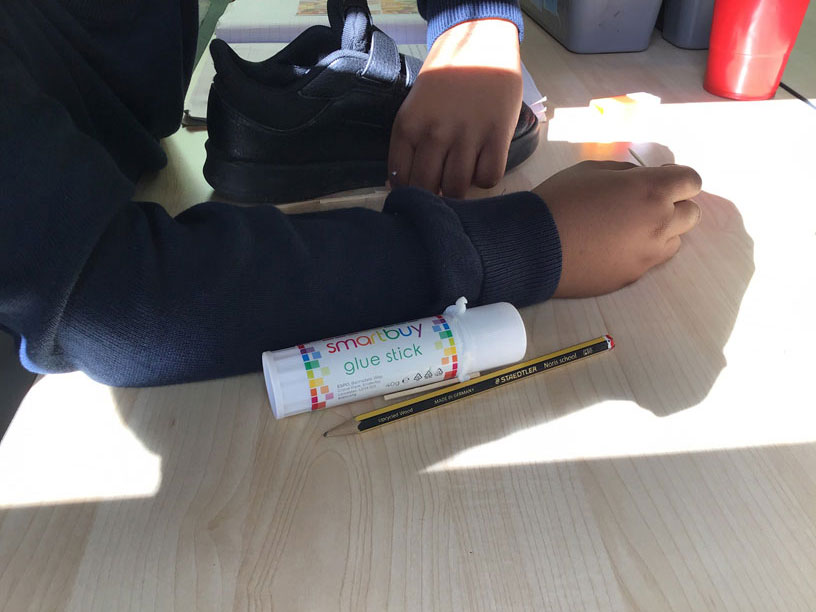
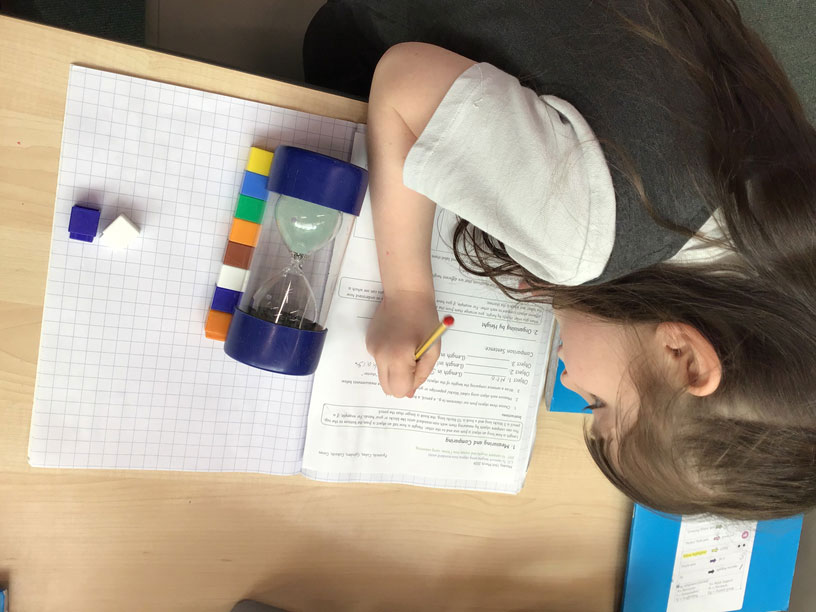
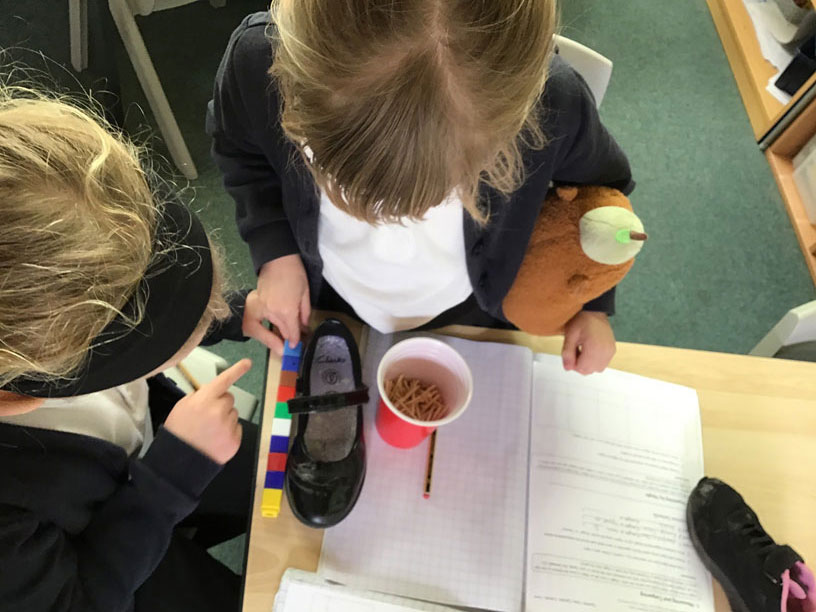
This term, Bittern Class have developed their understanding of length and height through a range of practical and engaging activities. They began by measuring using objects before progressing to measuring accurately in centimetres and metres. Pupils have learned to compare and order different lengths and heights, using appropriate mathematical vocabulary. They have also applied their knowledge to solve problems involving the four operations, building confidence in calculating and reasoning with measurements. Overall, the children have shown a secure understanding and are able to use their skills in a variety of contexts.

Geography for Bitterns

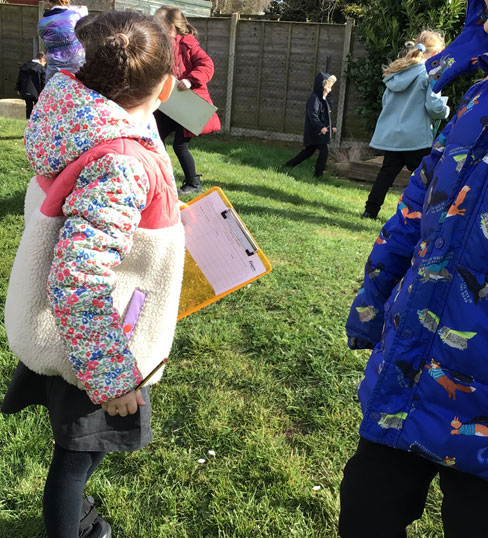
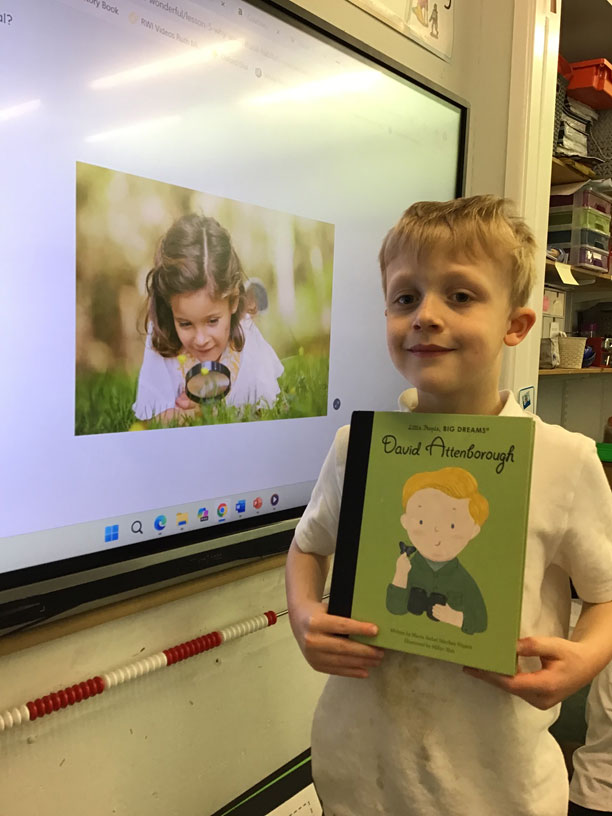
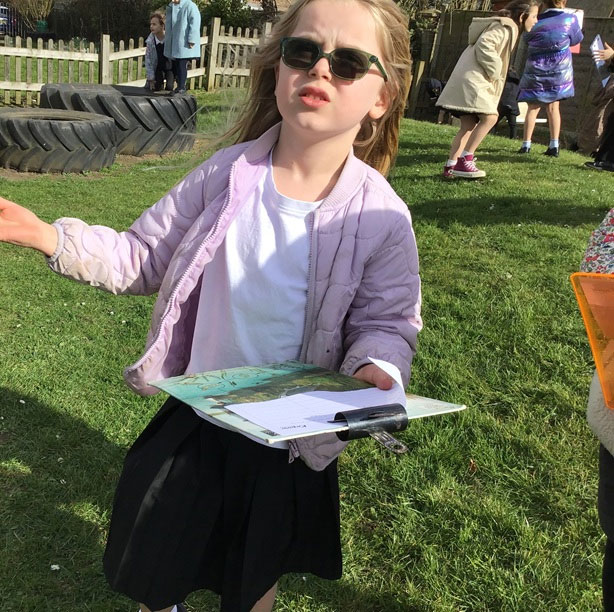
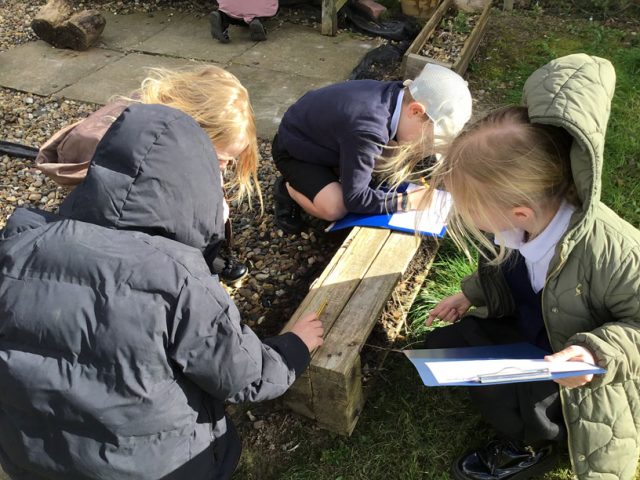
In Geography this half term, pupils have been learning about physical and human features, and during this lesson they explored the school grounds to identify examples such as buildings and playgrounds as human-made, and trees and flowers as natural. They also learned about habitats and vegetation, understanding that habitats are places where plants and animals live. During their fieldwork, the children investigated different areas of the school environment, recording plants and animals using tally charts. Back in the classroom, they shared their findings and discussed why certain areas had more living things, recognising that quieter spaces with more shelter and water support more wildlife. We shared the book Little People, Big Dreams: David Attenborough and discussed his life and work.

Bee Bots

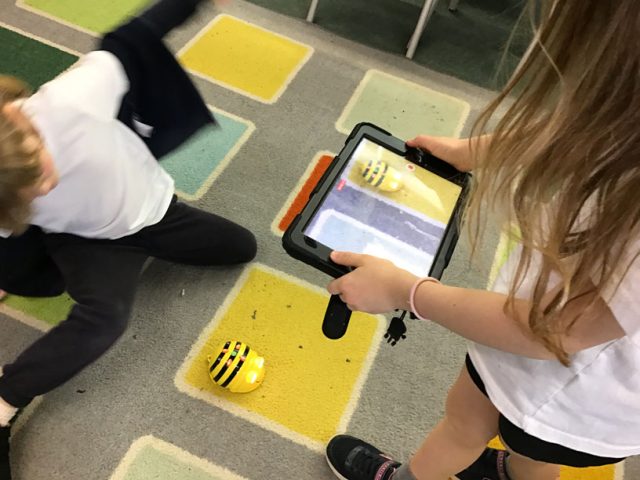
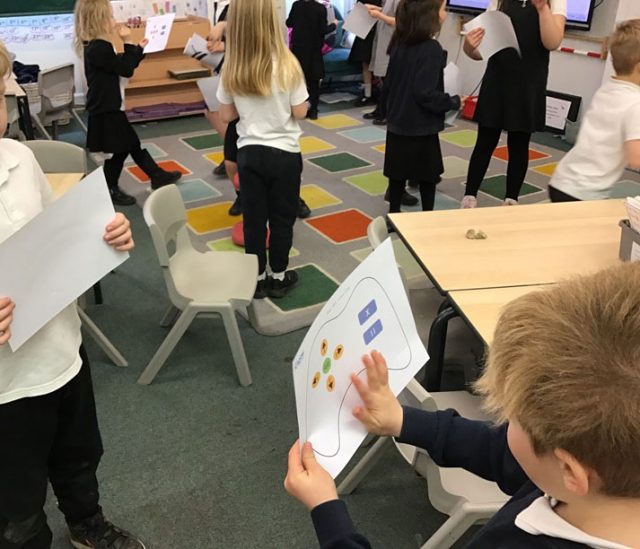
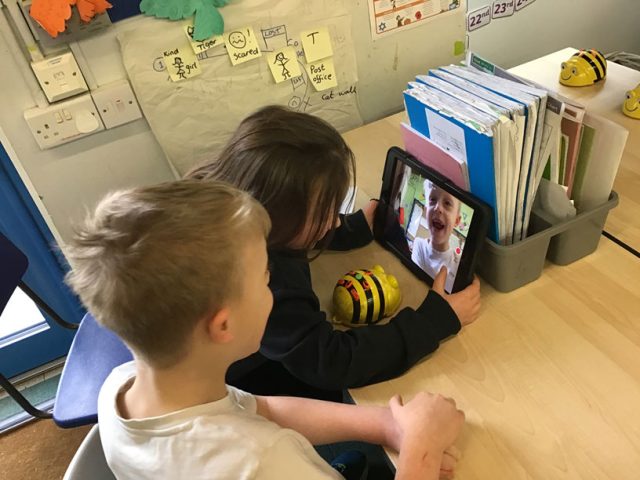
This term, Bittern Class have developed their early programming and problem-solving skills through using Bee-Bots in Computing. They have learned to write clear instructions for a person to follow and to carry out instructions given by others, helping them understand the importance of precision. The children can confidently explain the function of each Bee-Bot button and have begun to create and test short sequences of instructions to control the Bee-Bots’ movements. Through this, they have developed their ability to check and debug their algorithms, spotting and correcting errors when outcomes are not as expected. Overall, pupils are becoming more logical in their thinking and are able to program Bee-Bots with increasing accuracy and confidence.

Nathan’s Animal Adventures

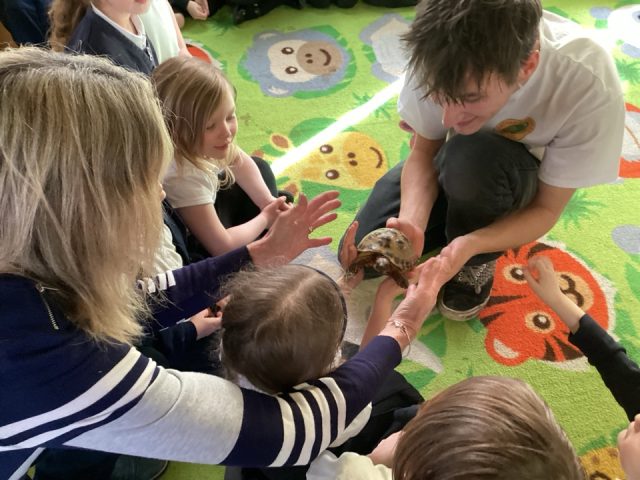
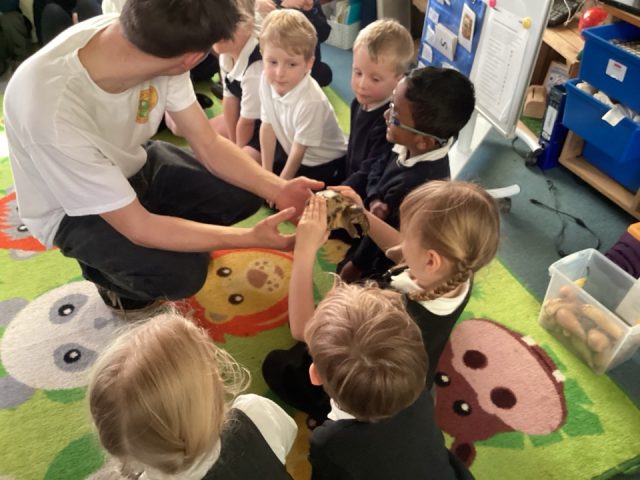
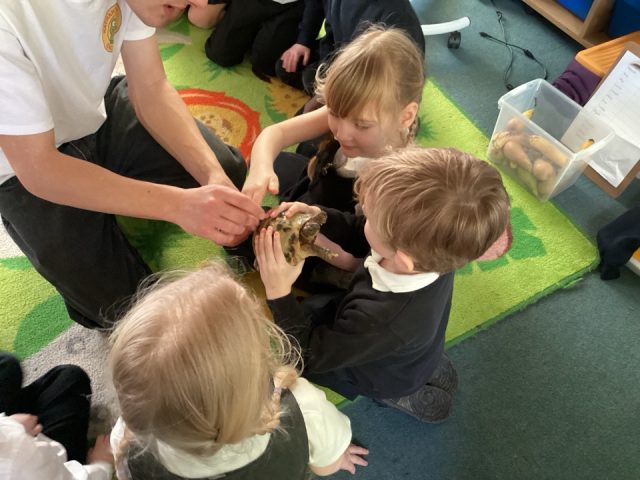
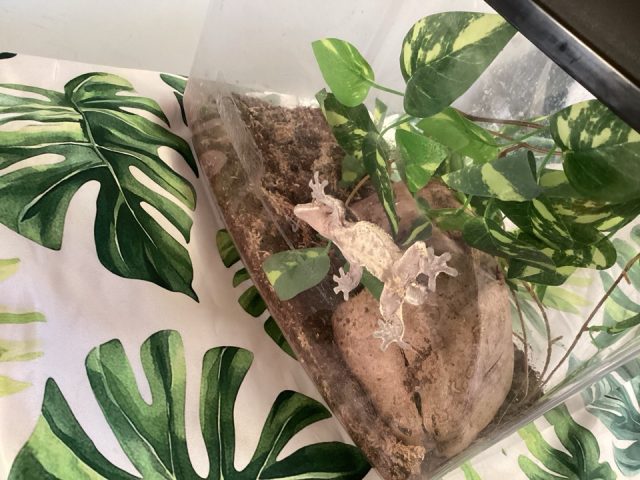
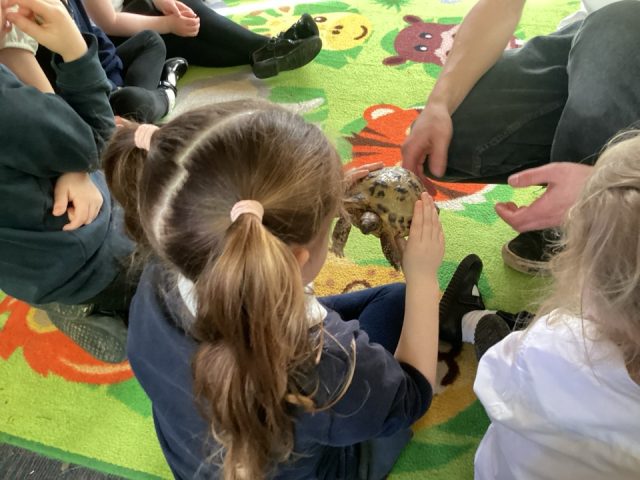
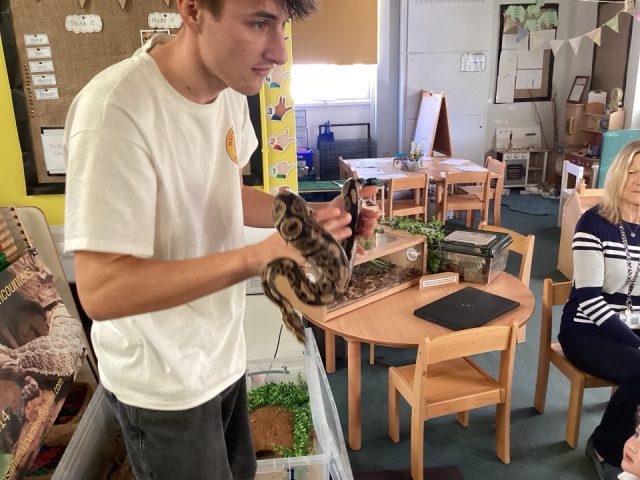
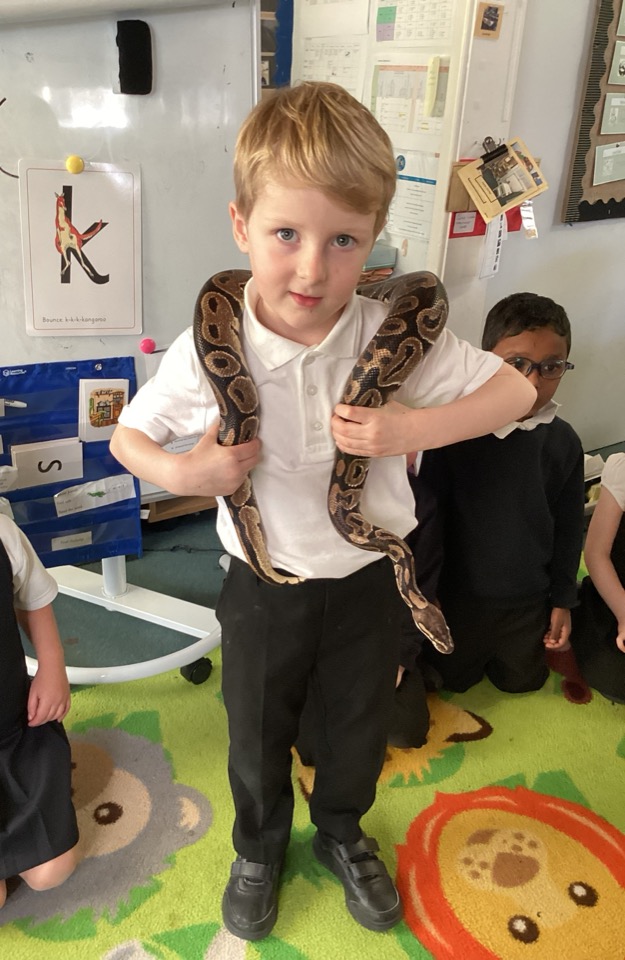
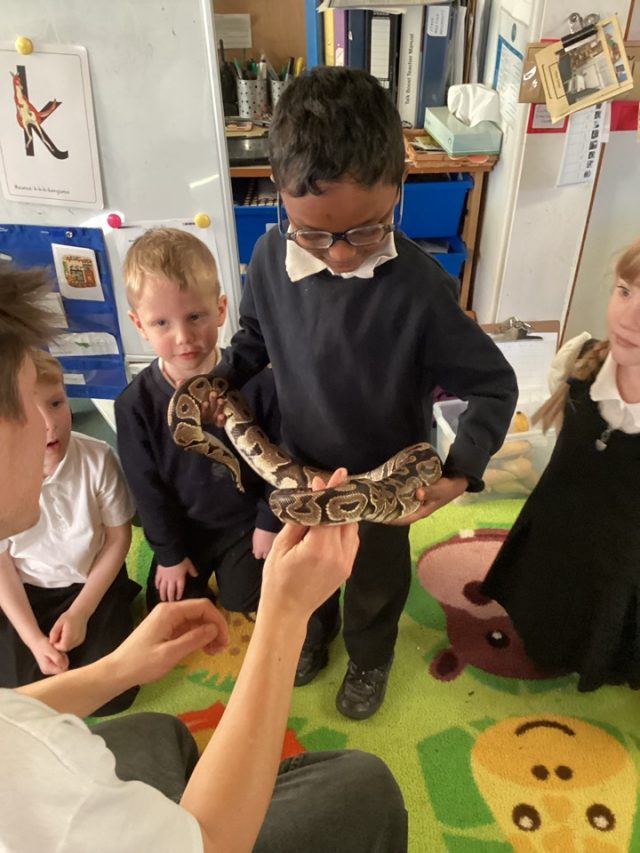
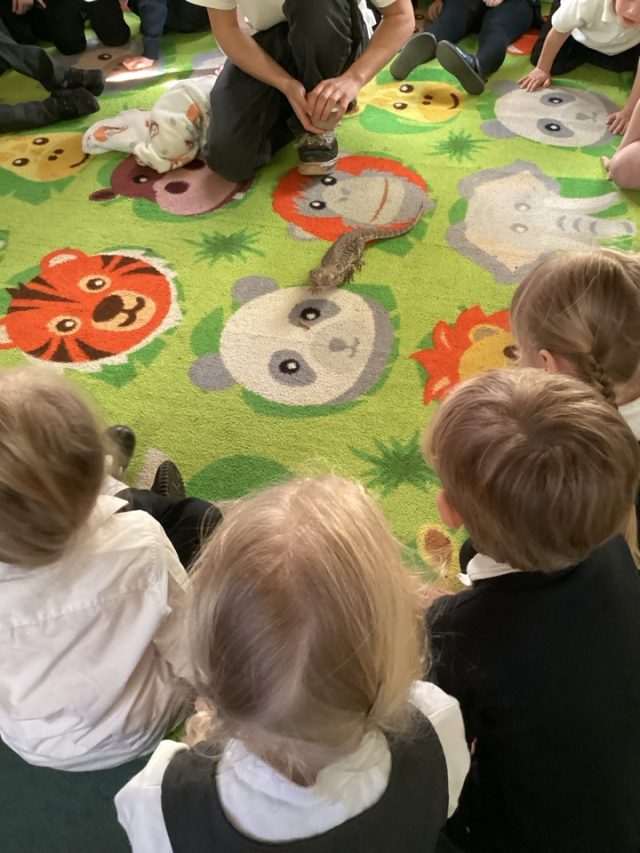
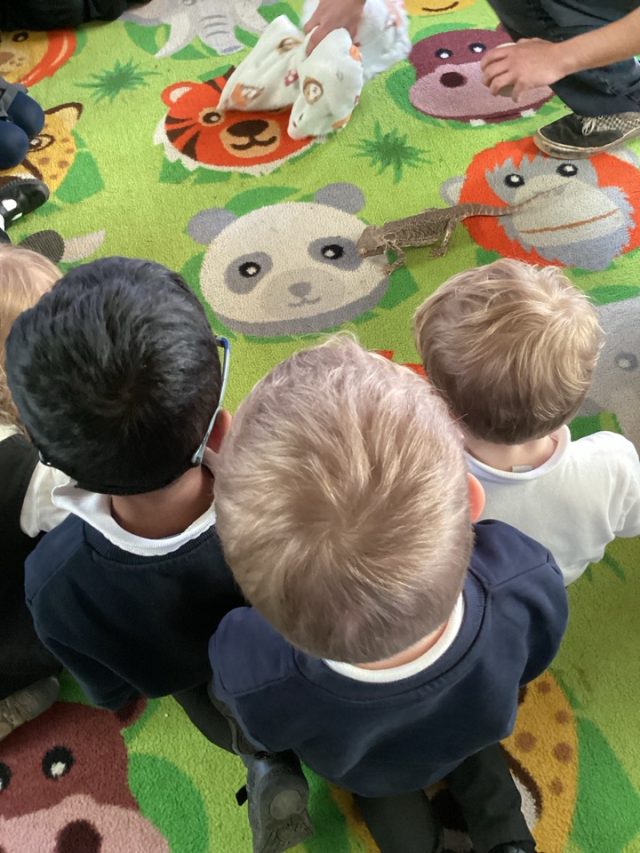
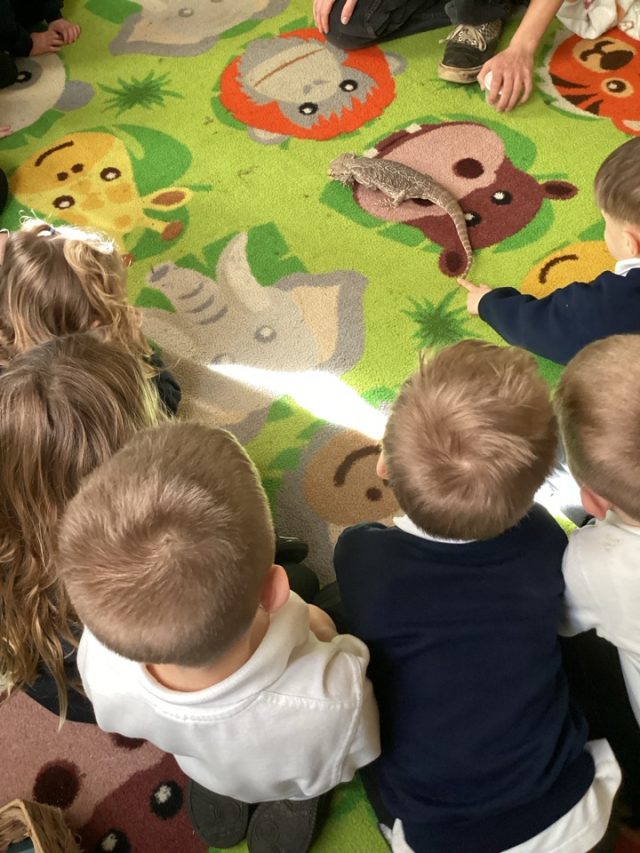
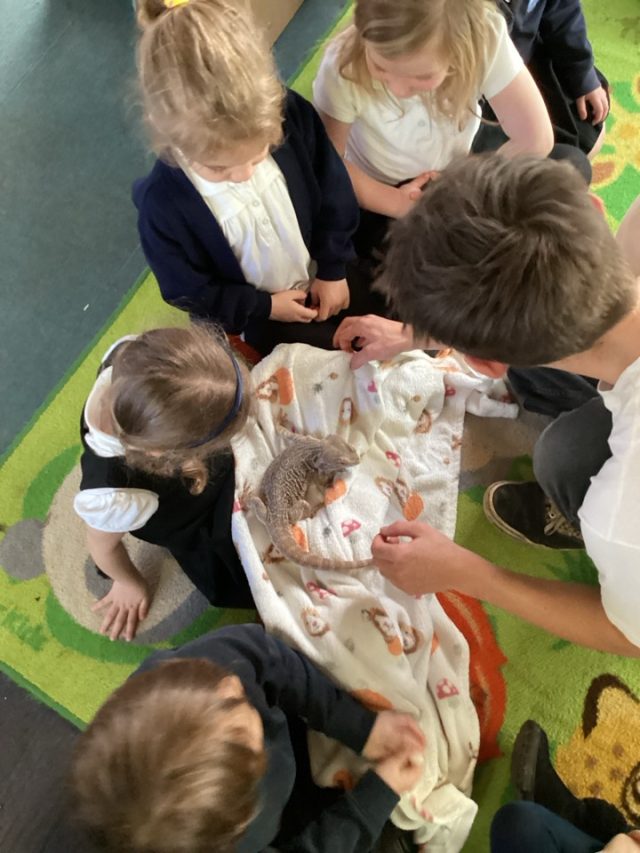
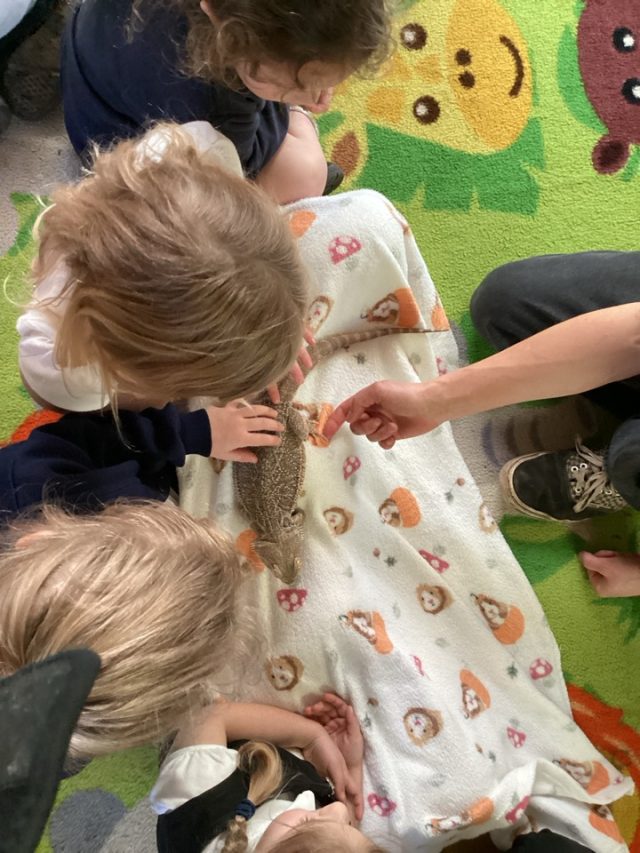
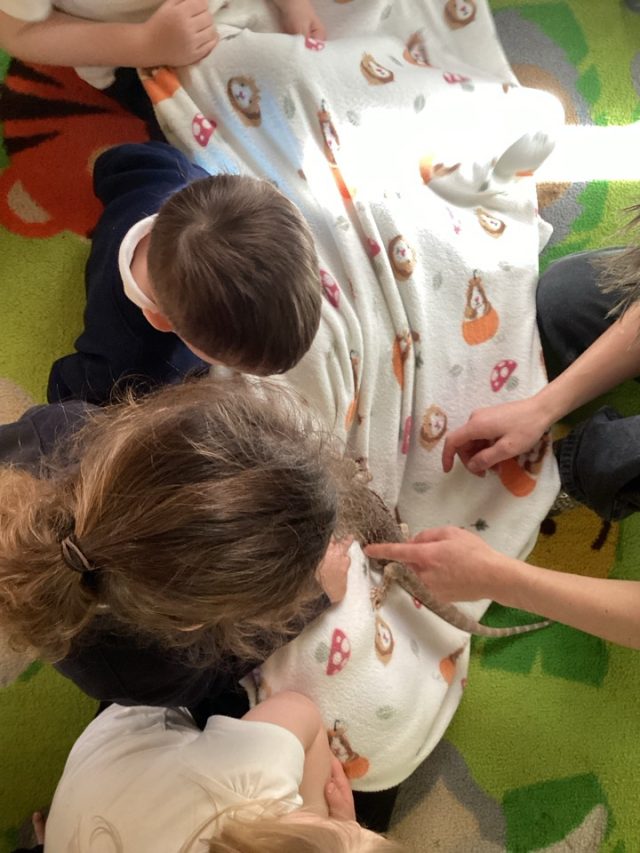
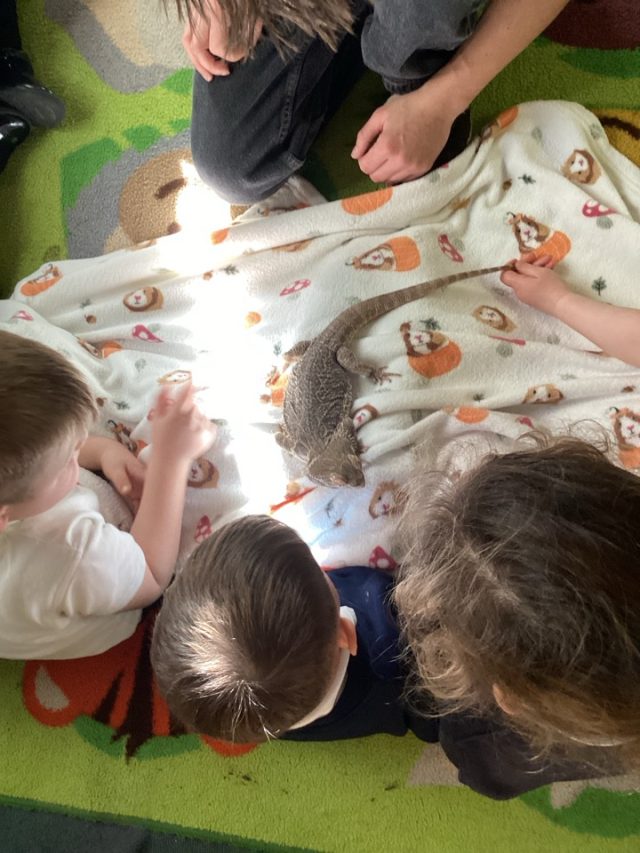
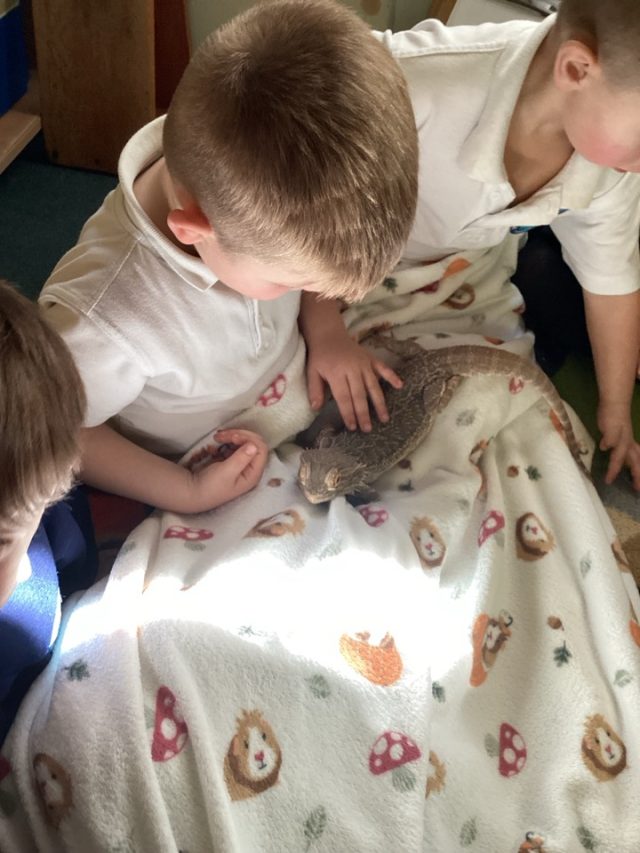
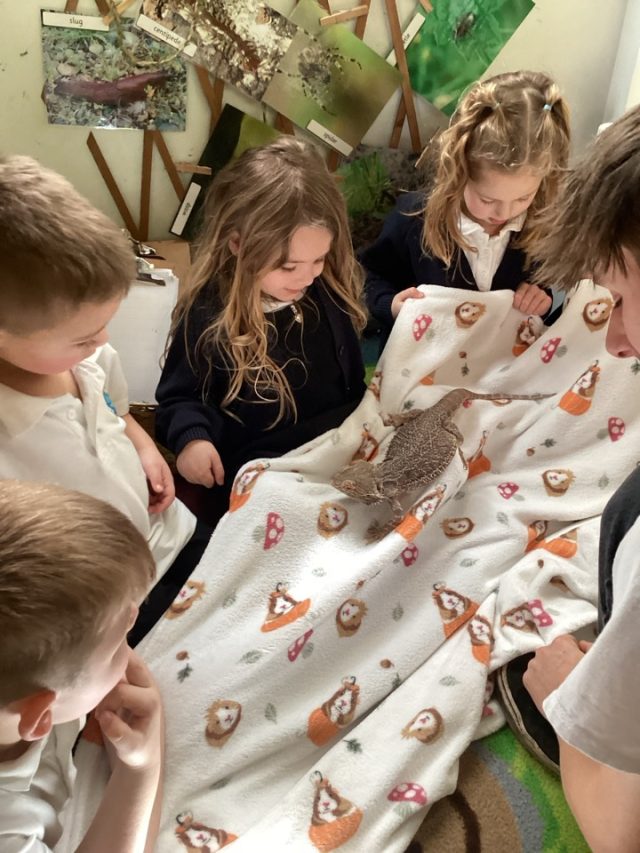
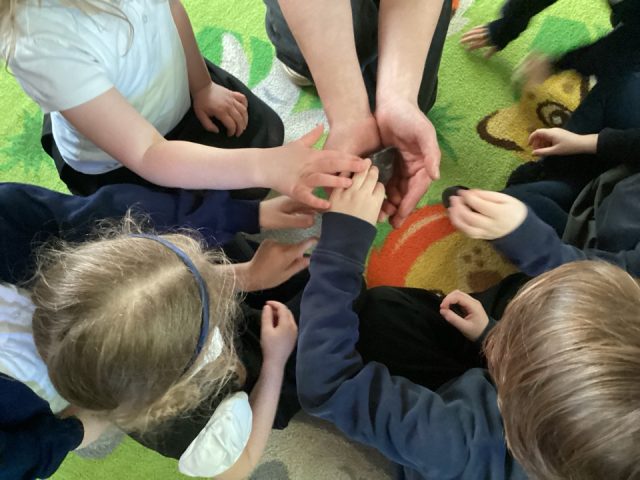
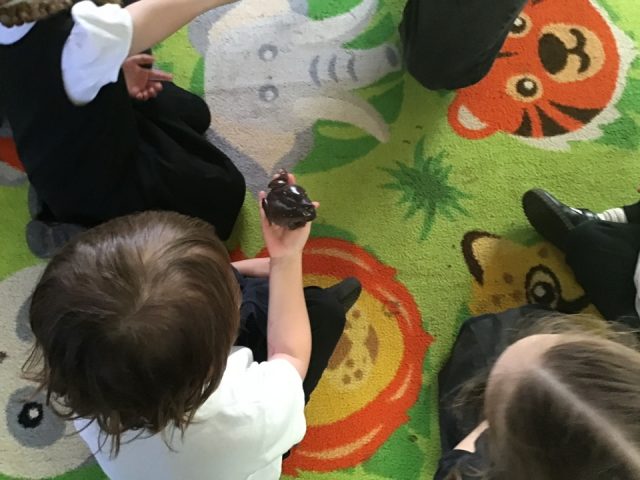
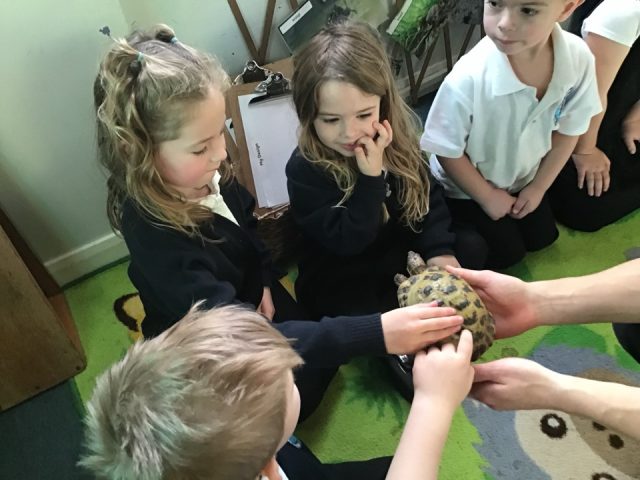
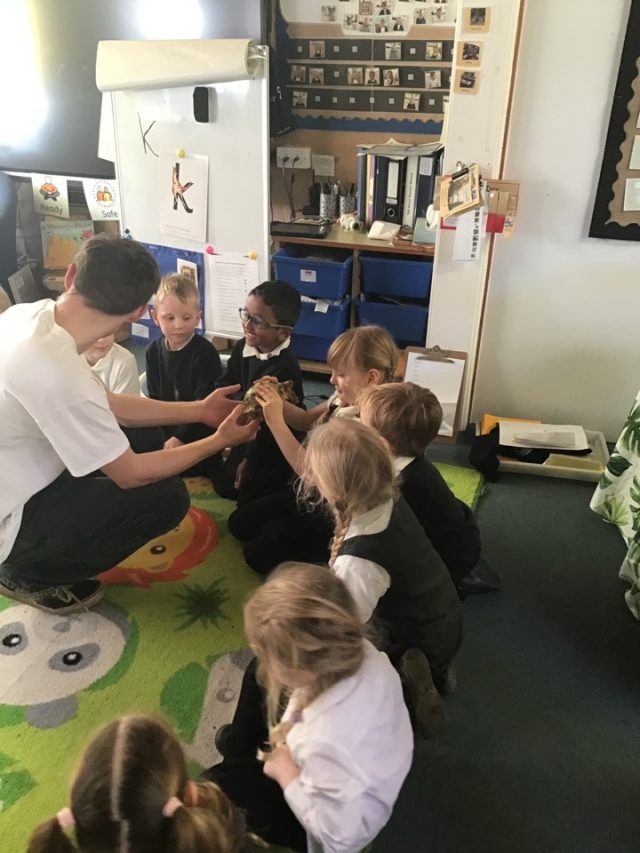
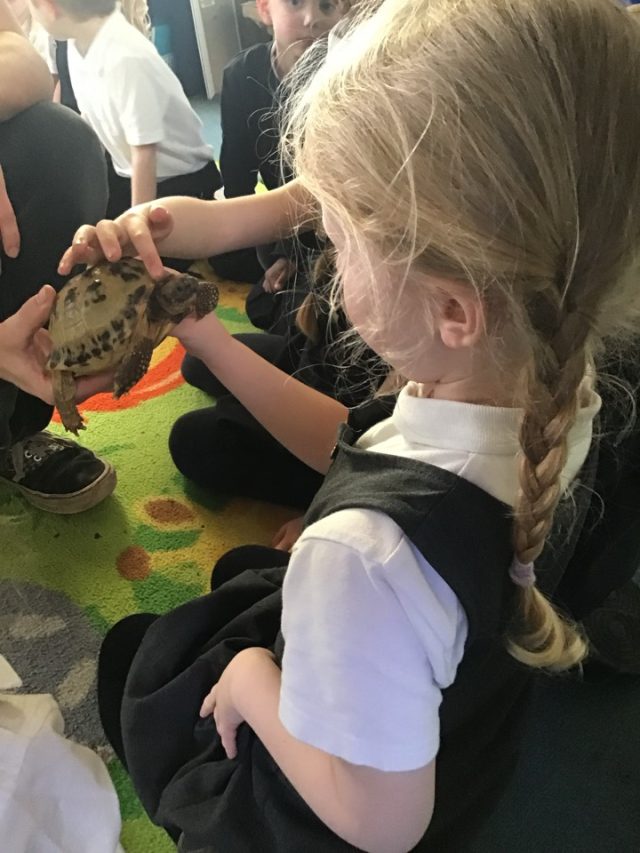
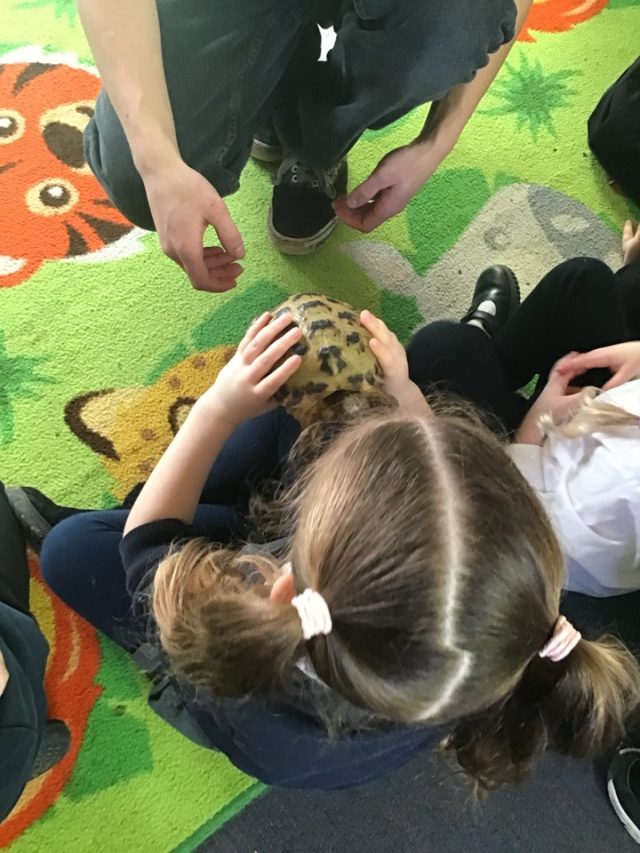
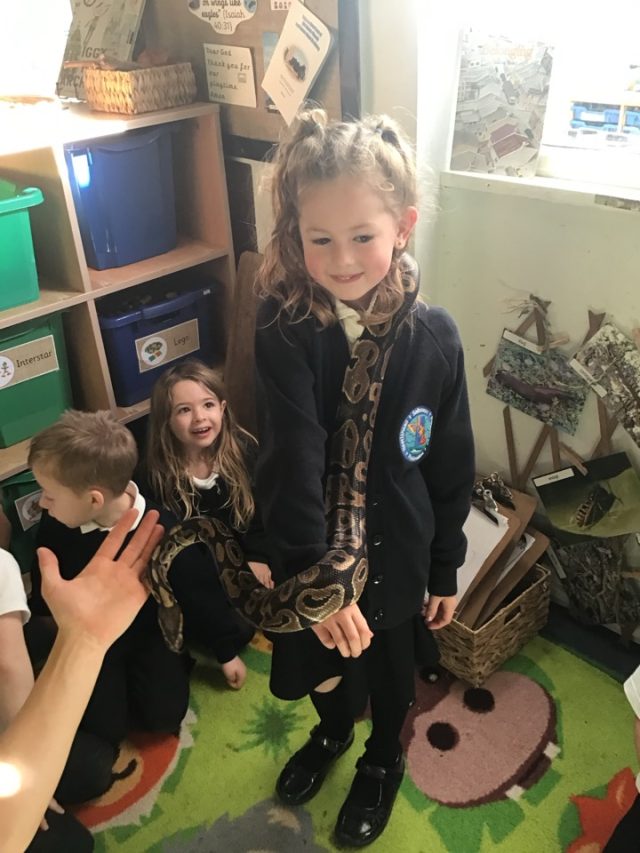
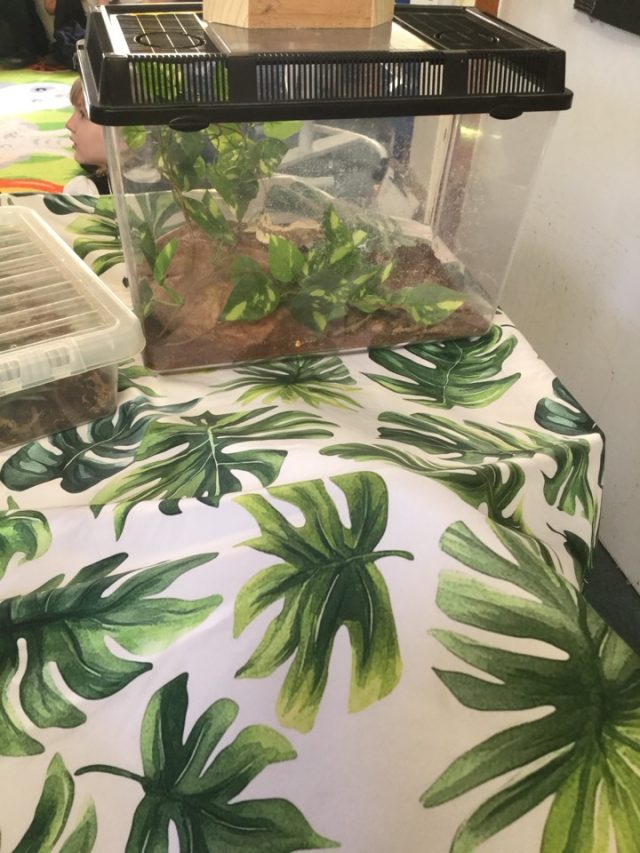
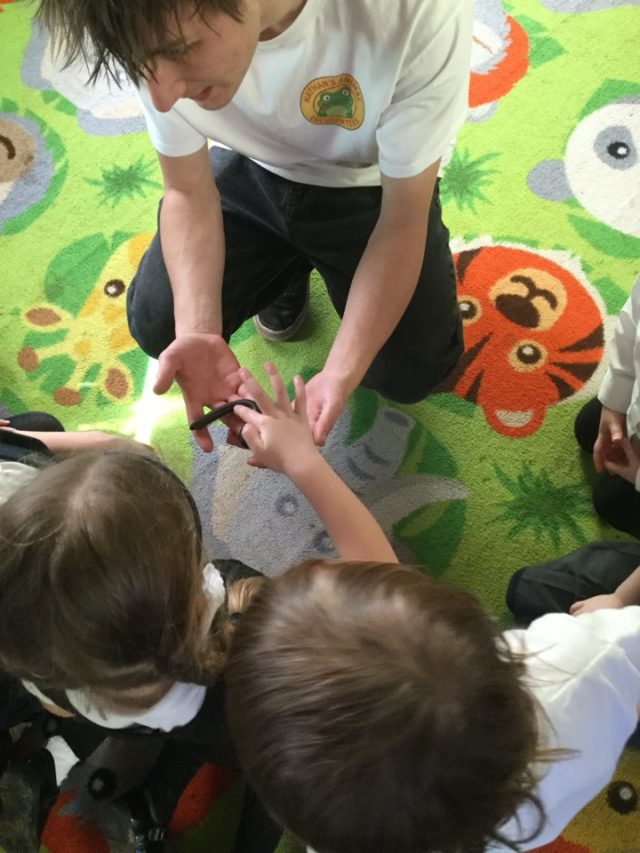
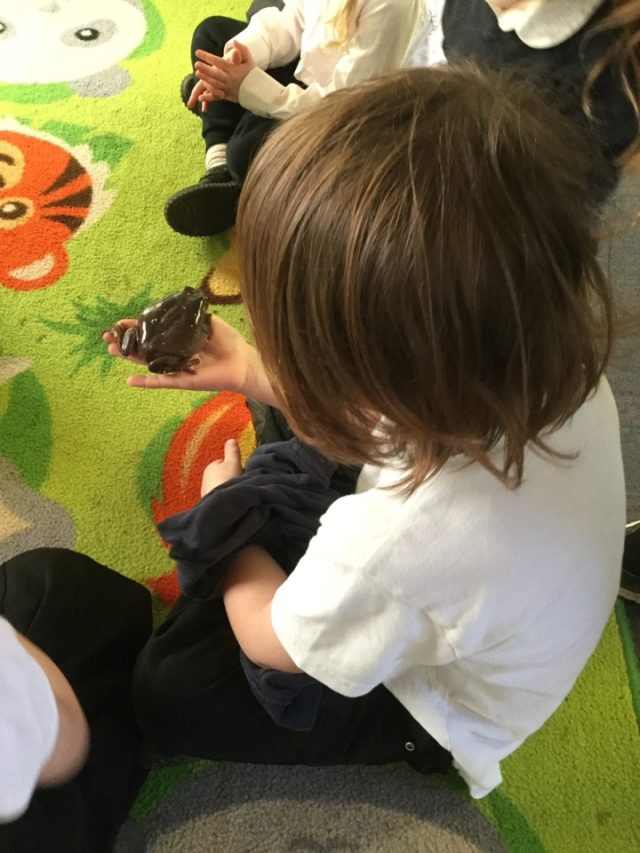
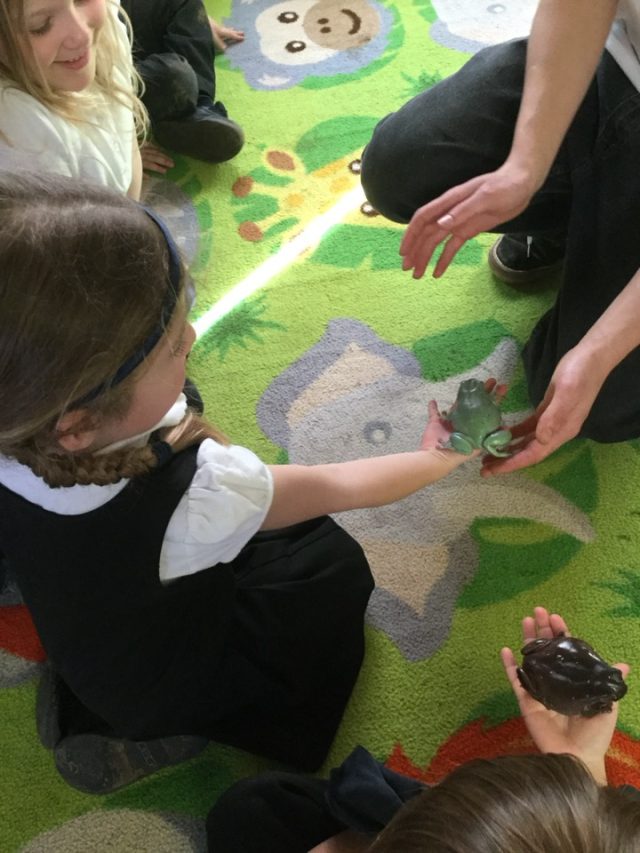
This week we had a wonderful visit from Nathan’s Animal Adventures. The children loved holding, touching and observing a range of minibeasts, small animals and reptiles. They were lucky enough to meet a tortoise, a snake and a bearded dragon, as well as gerbils, lizards and tree frogs.

The millipede, cockroach and tarantula linked perfectly with our current topic of minibeasts. The children learned many interesting facts about the animals, such as how long a snake can go without food and how many legs a millipede has. They also asked thoughtful questions about the animals’ diets and habitats.

It was a brilliant learning experience for the children and a fantastic way to introduce their new topic this half term. Thank you to FOSS for funding the visit and making it possible.